Cat ownership is a rewarding experience, but let’s face it, the litter box can be a real stinker. You love your furry friend, but the odor that emanates from that little corner of your home can be a real mood killer. Don’t worry, you’re not alone. Millions of cat owners grapple with this issue daily. So, let’s dive into the world of cat litter deodorizers and find a solution that works for you and your feline friend.
Understanding the Stink
Before we can tackle the problem, we need to understand it. Cat urine and feces contain compounds that produce a strong, unpleasant odor. These compounds are sticky and cling to surfaces, making them difficult to remove. The longer these compounds sit, the stronger the odor becomes.
So, what can you do? Well, the first step is to accept that some level of odor is inevitable. Cats are natural creatures, and their waste is part of their biology. However, with the right approach, you can significantly reduce the odor and create a more pleasant living environment for both you and your cat.
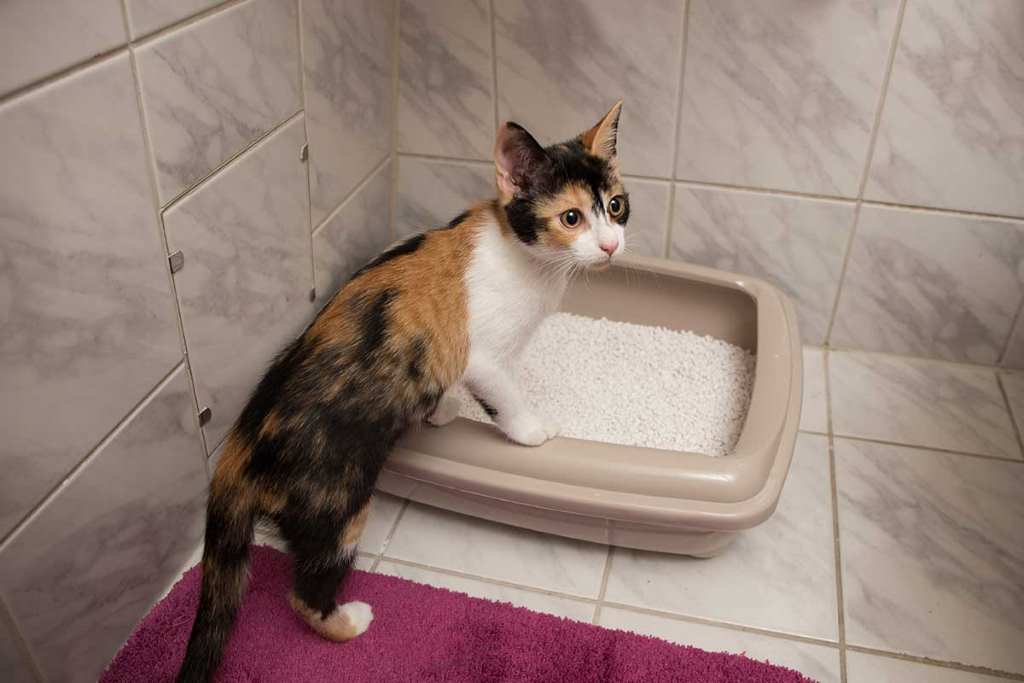
The Role of Cat Litter
Cat litter plays a crucial role in odor control. It absorbs moisture and helps to contain the odor-causing compounds. However, not all cat litters are created equal. Some are better at controlling odor than others.
- Clay litter: This is the most common type of cat litter. It’s affordable and effective at absorbing moisture. However, it can be dusty and doesn’t always do a great job at controlling odor.
- Silica gel crystal litter: These crystals absorb urine and turn it into a gel. They are highly effective at controlling odor and clumping, but they can be expensive.
- Corn-based litter: This is a biodegradable option that is gentle on paws. It’s generally good at controlling odor, but it can be messy.
- Wheat-based litter: Similar to corn-based litter, it’s biodegradable and gentle on paws. It’s also effective at controlling odor.
Litter Box Maintenance: The Unsung Hero
Regular litter box maintenance is essential for odor control. Here are some tips:
- Scoop daily: This is the most important thing you can do to reduce odor. Scooping removes solid waste and prevents ammonia buildup.
- Change the litter regularly: How often you change the litter depends on the type of litter you use and the number of cats you have. As a general rule, change the litter completely at least once a week.
- Clean the litter box regularly: Use a mild detergent and hot water to clean the litter box. Rinse thoroughly and allow it to dry completely before adding new litter.
- Consider a litter box liner: Litter box liners can make cleanup easier and help to reduce odor.
Deodorizing Your Litter Box
In addition to proper litter box maintenance, there are several products you can use to deodorize your litter box.
- Litter box deodorizers: These products come in various forms, including sprays, powders, and crystals. They help to mask odors and create a fresher environment.
- Baking soda: Baking soda is a natural deodorizer that can be sprinkled on top of the litter. It helps to absorb odors and create a fresher scent.
- Essential oils: Some people use essential oils like lavender or lemon to mask odors. However, it’s important to use essential oils cautiously, as some cats may be sensitive to them.
Beyond the Litter Box
The odor from the litter box can spread to other parts of your home. Here are some tips to help contain the odor:
- Place the litter box in a well-ventilated area: This will help to reduce the spread of odor.
- Use a litter box enclosure: An enclosed litter box can help to contain odors.
- Clean up spills promptly: If there are any accidents outside the litter box, clean them up immediately with an enzymatic cleaner.
The Psychological Impact of Litter Box Odor
The odor from a dirty litter box can have a negative impact on your mental and emotional well-being. It can cause stress, anxiety, and even depression. If you’re struggling to cope with the odor, it’s important to take steps to address the problem.
Conclusion
Tackling litter box odor can be a challenge, but it’s not impossible. By following the tips in this article, you can significantly reduce the odor and create a more pleasant living environment for both you and your cat. Remember, consistency is key. Regular litter box maintenance and the use of appropriate deodorizers will make a big difference.