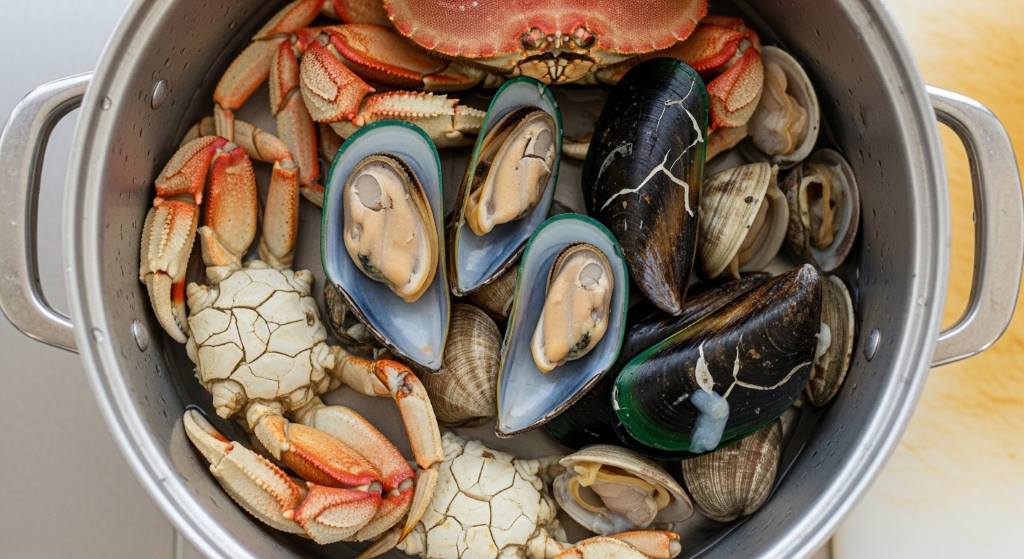
Seattle has a deep connection to fresh seafood, and local diners pay close attention to quality before cooking. According to seafood industry reports, shellfish remains one of the most popular seafood categories in the Pacific Northwest. Additionally, food safety experts note that proper shellfish handling greatly reduces the risk of foodborne illness. Many home cooks who discuss frozen clams open before cooking also pay close attention to shell condition before steaming. Understanding why Seattle, WA seafood lovers avoid shellfish with cracked shells before steaming helps ensure safer meals and better flavor.
The Importance of Shell Integrity in Seafood Safety
Shellfish naturally protect themselves through hard outer shells. These shells create a barrier against bacteria, pollutants, and environmental contaminants. When a shell cracks, that protective layer weakens significantly. As a result, harmful microorganisms can enter the shellfish more easily.
Seattle residents often buy shellfish from trusted fish markets and coastal suppliers. However, even premium shellfish can become compromised if shells crack during harvesting or transportation. Therefore, experienced seafood enthusiasts inspect every shell carefully. This simple habit helps prevent potential health risks.
Food safety professionals consistently recommend discarding shellfish with visible cracks. Small fractures may seem harmless at first glance. However, they often indicate internal damage or stress. Consequently, many Seattle seafood lovers refuse to take unnecessary chances.
How Seattle’s Coastal Environment Influences Seafood Choices

Seattle sits near productive marine ecosystems that support oysters, clams, mussels, and other shellfish species. Local consumers enjoy access to fresh seafood throughout much of the year. Because quality standards remain high, buyers often develop strong inspection habits. Shell condition becomes one of the first factors they evaluate.
The Pacific Northwest experiences frequent rainfall and changing marine conditions. These environmental factors affect shellfish harvesting practices and storage requirements. Therefore, maintaining shell integrity becomes even more important during transportation. Cracked shells may indicate exposure to stress before reaching consumers.
Many Seattle seafood enthusiasts also embrace careful food preparation traditions similar to the values found in crunchy lifestyle old fashioned approaches to home cooking. They prefer natural ingredients and careful quality checks. As a result, shell inspection remains a common practice before steaming.
What Causes Shellfish Shells to Crack?
Rough Handling During Harvesting
Commercial harvesting operations move large quantities of shellfish quickly. During collection, shells sometimes collide with equipment or other shellfish. These impacts can create fractures that weaken the shell structure. Consequently, damaged shellfish may reach retail locations.
Transportation and Storage Pressure
Shellfish often travel from coastal farms to seafood markets. During transit, stacking and shifting containers can place pressure on shells. Even minor stress may produce cracks. Therefore, proper packaging remains essential throughout the supply chain.
Temperature Fluctuations
Rapid temperature changes can stress shellfish and their shells. Seattle’s cool climate helps maintain freshness, yet transportation still requires careful temperature control. When conditions fluctuate significantly, shells may become more vulnerable to damage. This issue increases the likelihood of cracking.
Why Cracked Shells Raise Food Safety Concerns
Shellfish remain alive until cooking in most cases. Healthy, live shellfish keep their shells tightly closed or close them when disturbed. A cracked shell can interfere with this natural defense mechanism. Therefore, the shellfish may no longer remain protected from contaminants.
Bacteria thrive in moist marine environments under certain conditions. When cracks develop, microorganisms gain easier access to the soft tissue inside. Consequently, food safety risks may increase substantially. Seattle seafood lovers understand this possibility and act cautiously.
Cross-contamination presents another concern. Damaged shellfish may leak fluids onto nearby seafood products. As a result, contamination can spread within storage containers. Careful inspection helps reduce these risks before cooking begins.
The Quality and Flavor Difference
Food safety represents the primary concern, but flavor also matters. Shellfish with intact shells generally retain moisture more effectively. This natural protection helps preserve texture and taste. Therefore, steaming often produces better results when shells remain undamaged.
Cracked shellfish sometimes lose internal liquids before cooking. This moisture loss can affect tenderness and overall eating quality. As a result, the final dish may taste less fresh. Seattle seafood enthusiasts often notice these subtle differences.
Many experienced cooks view shell condition as a quick freshness indicator. Although not every cracked shellfish is unsafe, visible damage often signals handling issues. Therefore, avoiding cracked shells helps maintain consistent culinary quality.
An Overlooked Reason Seattle Seafood Fans Check for Cracks
One uncommon but practical reason involves steaming performance. Shellfish with intact shells tend to open naturally during cooking. This opening process helps cooks identify which shellfish cooked properly. Cracked shells can create misleading visual cues during steaming.
When a shell already contains a fracture, it may appear open before reaching the proper cooking stage. Consequently, home cooks may struggle to judge doneness accurately. This challenge rarely appears in general seafood discussions, yet many experienced seafood lovers recognize the issue.
Accurate cooking indicators become especially important when preparing large batches. Uniform shell behavior allows cooks to monitor progress more efficiently. Therefore, intact shells contribute to both safety and convenience during meal preparation.
How to Inspect Shellfish Before Steaming
Careful inspection requires only a few minutes. However, this small effort can significantly improve meal quality. Seattle seafood lovers often follow a simple evaluation process. The following checklist helps identify potential issues.
- Look for visible cracks or fractures.
- Check for broken shell edges.
- Ensure shells feel heavy for their size.
- Discard shellfish with strong unpleasant odors.
- Tap open shells gently and see if they close.
- Avoid shellfish with excessive dryness.
These steps provide a practical screening method before cooking. Additionally, they help reduce waste and improve dining results. Most importantly, they support safer seafood preparation.
Best Practices for Steaming Shellfish in Seattle Homes
Fresh shellfish deserves proper cooking equipment. Many local cooks choose durable pots that distribute heat evenly. Similar principles appear in discussions about the best cookware pasta preparation methods. Consistent heat supports better steaming performance and reliable results.
Always store shellfish in a breathable container before cooking. Avoid airtight plastic bags because shellfish need airflow. Instead, cover them lightly with a damp cloth in the refrigerator. This approach helps preserve freshness until cooking time.
Use enough steam to cook shellfish thoroughly without overcrowding the pot. Crowded conditions reduce heat circulation and cooking efficiency. Therefore, smaller batches often produce better outcomes. Careful preparation improves both texture and flavor.
Seattle Climate and Shellfish Storage Tips
Seattle’s moderate temperatures provide advantages for seafood handling. However, indoor conditions can still affect shellfish freshness. Proper refrigeration remains essential throughout the year. Consumers should never rely solely on outdoor temperatures.
During warmer summer periods, transportation time becomes especially important. Shellfish should move from market to refrigerator quickly. Consequently, many Seattle residents bring coolers when purchasing seafood. This simple habit helps preserve quality.
Winter conditions create different challenges. Although outdoor temperatures remain cooler, inconsistent heating indoors can affect storage conditions. Therefore, maintaining stable refrigeration temperatures remains critical regardless of season.
Common Shellfish Types Seattle Residents Steam
Seattle seafood lovers enjoy a wide variety of shellfish. Local markets frequently offer fresh options harvested from regional waters. Each type benefits from proper inspection before cooking. Shell integrity matters across all varieties.
- Mussels
- Manila clams
- Pacific oysters
- Geoduck clams
- Razor clams
- Butter clams
These shellfish remain popular because they pair well with simple steaming techniques. Fresh herbs, garlic, and broth often complement their natural flavors. However, quality inspection should always come first. Safe seafood preparation starts before cooking begins.
Learning From Global Seafood Traditions
Seafood cultures worldwide emphasize careful ingredient selection. For example, travelers exploring a foodie paradise culinary tour often discover strict seafood quality standards. Many coastal regions share similar practices regarding shell condition. These traditions developed through generations of culinary experience.
Seattle seafood enthusiasts follow comparable principles. They value freshness, quality, and proper handling from market to table. Therefore, avoiding cracked shells reflects a broader commitment to excellent seafood preparation. This approach helps maintain the region’s strong seafood reputation.
Signs You Should Discard Shellfish Immediately
Some warning signs require immediate disposal regardless of cooking plans. These indicators often suggest compromised freshness or safety concerns. Recognizing them can prevent potential problems. Every seafood buyer should understand these red flags.
- Large visible shell cracks.
- Strong sour or foul odors.
- Excessively dry shellfish.
- Shells that remain open and unresponsive.
- Evidence of leaking fluids.
- Unusual discoloration.
When uncertainty exists, caution remains the best approach. Replacing questionable shellfish costs far less than dealing with foodborne illness. Therefore, experienced seafood lovers prioritize safety over convenience.
Conclusion
Understanding why Seattle, WA seafood lovers avoid shellfish with cracked shells before steaming helps protect both health and dining quality. Cracked shells weaken natural defenses, increase contamination risks, and may reduce flavor and texture. Furthermore, they can create confusion during the cooking process itself. By inspecting shellfish carefully and following proper storage practices, home cooks can enjoy safer and more satisfying seafood meals. The next time you purchase shellfish in Seattle, take a few extra minutes to examine every shell before steaming and enjoy the confidence that comes with better seafood preparation.
FAQs
Can I cook shellfish with a small crack?
Most food safety experts recommend discarding shellfish with visible cracks.
Why do intact shells matter before steaming?
Intact shells help protect the shellfish from contamination and moisture loss.
Should shellfish be alive before cooking?
Yes, most shellfish should be alive and responsive before cooking.
Do cracked shells always mean the shellfish is unsafe?
No, but they significantly increase safety and quality concerns.
What is the best way to store shellfish before steaming?
Keep shellfish refrigerated in a breathable container covered with a damp cloth.