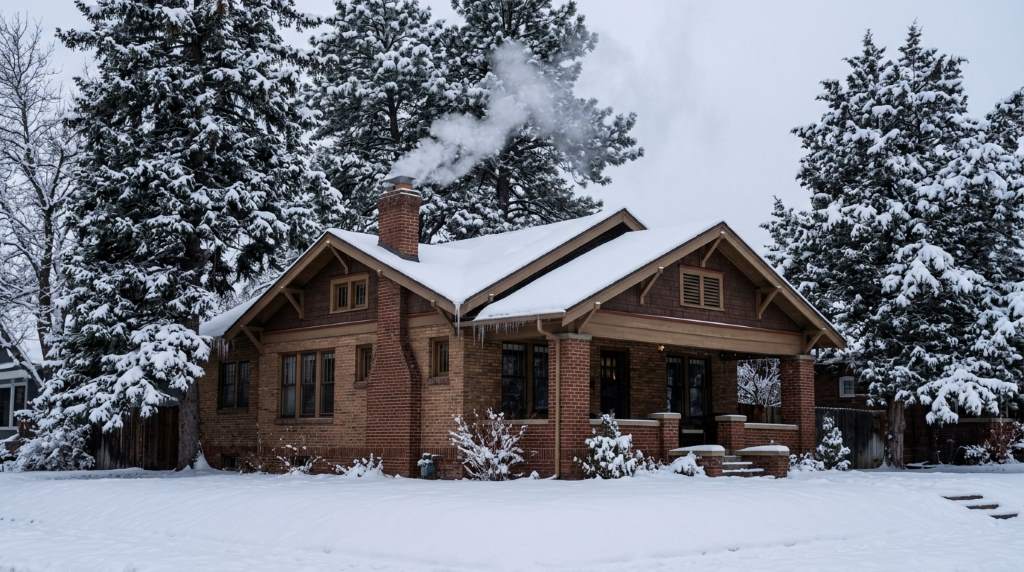
Many Denver homeowners expect fresh indoor air once winter ends. Instead, they notice a lingering smoky odor that seems to hang around long after fireplaces stop burning. This issue can feel frustrating because the smell often returns even after cleaning and airing out the house. According to the United States Environmental Protection Agency, indoor air pollutant levels can be two to five times higher than outdoor levels in some situations. Meanwhile, data from the United States Forest Service shows that wood smoke contains fine particles that can settle into indoor materials and remain for extended periods. If you are dealing with persistent odors, understanding the causes behind winter smoke buildup is the first step toward effective fireplace smoke smell removal and healthier indoor air.
Why Smoke Odors Linger in Denver Homes After Winter
Denver’s climate creates unique conditions that allow smoke odors to stay trapped indoors. During winter, homes remain sealed for long periods to conserve heat. As a result, smoke particles from fireplaces, wood stoves, candles, and even nearby outdoor sources become trapped inside.
In addition, Denver experiences temperature inversions during colder months. These weather patterns prevent pollutants from dispersing efficiently. Consequently, smoke particles can accumulate around neighborhoods and enter homes through small gaps and ventilation systems.
Furthermore, many homeowners focus on visible cleaning while overlooking hidden surfaces where smoke residue collects. Similar to principles discussed in mixing textures in rustic Scandinavian interior design, soft and porous materials absorb environmental elements more than people realize. Fabrics, wood finishes, and decorative surfaces often hold smoky particles throughout the season.

The Role of Dry Winter Air
Denver’s dry climate contributes significantly to odor retention. Low humidity allows smoke particles to travel farther and settle deeper into porous materials. Because of this, carpets, curtains, upholstered furniture, and even drywall can absorb odors over several months.
Once spring arrives and humidity levels fluctuate, those trapped particles can release odors back into the air. Therefore, many homeowners suddenly notice smoky smells even when they have not used a fireplace for weeks.
Fireplaces Are Not Always the Only Source
Most people immediately blame their fireplace. However, several hidden sources may contribute to lingering smoke odors.
Wood Burning Fireplaces
Traditional fireplaces remain one of the most common causes. Creosote buildup inside chimneys produces a strong smoky smell. Even when no fire is burning, accumulated residue can continue releasing odors into living spaces.
Wood Stoves
Wood stoves operate efficiently, yet they can leave microscopic smoke particles throughout a home. Small leaks around doors and vents often allow smoke residue to escape over time.
Outdoor Smoke Intrusion
Denver residents occasionally experience smoke from wildfire activity in surrounding regions. Although wildfire events vary from year to year, smoke can infiltrate homes through attic vents, windows, and HVAC systems.
At the same time, routine home upkeep plays a major role in preventing odor accumulation. Homeowners who follow the ultimate checklist for seasonal property maintenance often identify ventilation issues before they become major indoor air quality problems.
Where Smoke Residue Hides Inside a Home
Many homeowners clean visible areas yet miss locations where smoke particles naturally collect.
HVAC Systems
Heating systems circulate air continuously throughout winter. Consequently, smoke particles can spread through ductwork and settle inside vents. When air conditioning starts operating in spring, those particles may circulate again and reactivate odors.
Insulation and Attics
Attics often receive little attention during routine cleaning. However, smoke entering through roof vents can settle into insulation materials. Once temperatures rise, odors can migrate into living spaces.
Carpets and Area Rugs
Soft flooring materials act like giant filters. They capture airborne particles throughout the winter season. As foot traffic increases, trapped residue becomes disturbed and releases odors.
Furniture and Decorative Materials
Many Denver homes feature natural wood furnishings and rustic décor. While these design choices create warmth and character, porous materials can absorb smoke over time. This challenge becomes especially noticeable in rooms featuring western style rustic living room furniture, where wood surfaces and textured fabrics may retain odors longer than synthetic alternatives.
How Seasonal Changes Reactivate Smoke Smells
Homeowners often wonder why the odor becomes stronger after winter instead of fading away. The answer involves seasonal environmental changes.
Rising Temperatures
As temperatures increase, materials expand slightly. This process can release previously trapped smoke compounds into indoor air.
Changing Humidity Levels
Spring moisture affects fabrics, drywall, and wood. Because these materials absorb and release moisture, they can also release odor molecules stored during winter.
Increased Air Movement
Opening windows, running ceiling fans, and using air conditioning systems create airflow that disturbs settled particles. Therefore, smoky smells may suddenly become more noticeable.
Signs That Smoke Residue Has Built Up Throughout the Home
Several warning signs indicate that smoke contamination extends beyond the fireplace itself.
- The smell returns shortly after cleaning.
- Odors become stronger on warm days.
- Certain rooms smell worse than others.
- HVAC vents produce smoky air.
- Soft furnishings retain noticeable odors.
- Walls appear slightly discolored near ceilings.
If multiple symptoms appear together, smoke residue has likely spread beyond a single area.
Effective Ways to Remove Persistent Smoke Odors
Although smoke smells can be stubborn, homeowners can address them with a systematic approach.
Schedule a Chimney Inspection
A professional inspection identifies creosote buildup, airflow restrictions, and structural issues. Cleaning the chimney often eliminates one of the primary odor sources.
Replace HVAC Filters
Fresh filters help remove lingering particles from circulating air. High quality filters capture smaller contaminants more effectively.
Clean Soft Surfaces Thoroughly
Focus on:
- Carpets
- Area rugs
- Curtains
- Upholstered furniture
- Bedding
Deep cleaning removes embedded particles that ordinary vacuuming cannot reach.
Wash Walls and Ceilings
Smoke residue often clings to painted surfaces. Specialized cleaning solutions can remove oily deposits that continue releasing odors.
Improve Ventilation
Fresh outdoor air helps dilute indoor pollutants. Whenever weather permits, opening windows on opposite sides of the home encourages natural air exchange.
Control Indoor Humidity
Maintaining balanced humidity levels reduces the release of trapped odor compounds. Appropriate moisture control also improves overall indoor comfort.
Preventing Future Smoke Odors During Winter
Prevention remains easier than remediation. Homeowners can reduce future odor problems by adopting a few practical habits.
Use Properly Seasoned Firewood
Dry wood burns more efficiently and produces less smoke. As a result, fewer particles enter the indoor environment.
Maintain Chimneys Annually
Regular inspections prevent creosote accumulation and improve airflow throughout the heating season.
Monitor Air Filtration
Replacing HVAC filters consistently limits particle buildup throughout the home.
Clean During Winter Instead of Waiting Until Spring
Periodic cleaning prevents smoke residue from accumulating for months. Consequently, fewer odors remain once winter ends.
Address Air Leaks
Sealing gaps around windows, doors, and vents helps reduce outdoor smoke infiltration and improves indoor air quality.
Why Denver Homes Face This Issue More Frequently
Several local factors make Denver particularly susceptible to lingering smoke odors. Long heating seasons increase fireplace use. Dry air allows particles to travel and settle efficiently. Temperature inversions can trap pollutants near residential areas. Additionally, occasional regional wildfire smoke events contribute to indoor contamination.
Together, these conditions create an environment where smoke particles accumulate over several months and continue affecting indoor air quality after winter ends.
Conclusion
Why Homes in Denver, CO Keep Smelling Smoky After Winter often comes down to more than fireplace use alone. Smoke particles become trapped in fabrics, HVAC systems, insulation, walls, and furniture throughout the heating season. Then seasonal changes release those particles back into the air, making odors noticeable once again. By identifying hidden sources, cleaning affected areas thoroughly, maintaining ventilation systems, and practicing preventive maintenance, homeowners can significantly reduce lingering smoke smells. Start with a complete inspection of your home’s air pathways and cleaning routine to enjoy fresher indoor air throughout the year.
Frequently Asked Questions
Why does my house smell smoky even when the fireplace is not being used?
Stored smoke residue in walls, fabrics, ducts, and chimneys can continue releasing odors long after the last fire.
Can HVAC systems spread smoke smells through a home?
Yes, ducts and filters can collect smoke particles and recirculate them throughout the house.
Does Denver’s dry climate make smoke odors worse?
Yes, low humidity allows smoke particles to settle deeply into porous materials and remain longer.
Will opening windows remove smoky odors completely?
Fresh air helps, but deep cleaning and source removal are usually necessary for lasting results.
How often should a chimney be cleaned to reduce smoke odors?
Most homeowners benefit from a professional chimney inspection and cleaning at least once per year.