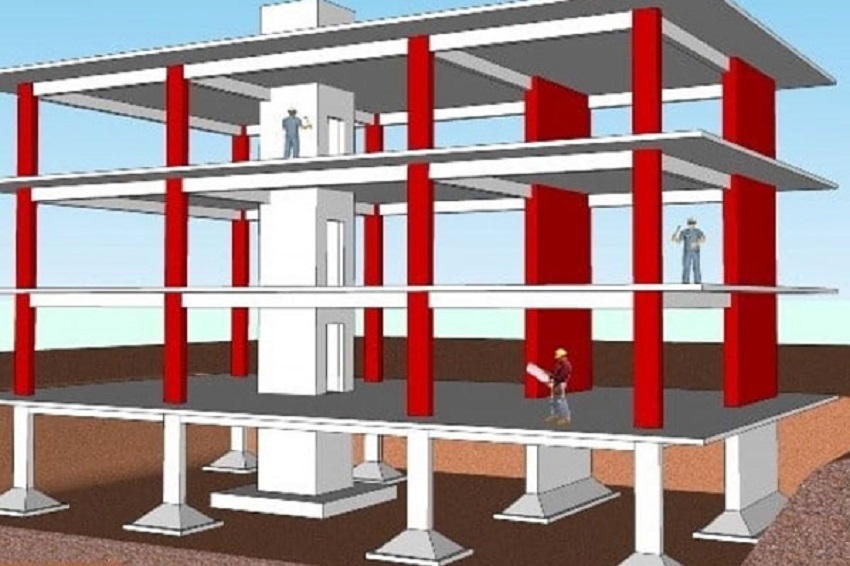
When it comes to structural engineering and construction, ties play a vital role in providing stability and strength to various types of structures. Ties are structural elements that are used to connect and hold different parts of a structure together. They help distribute loads and resist forces such as tension, compression, and shear, ensuring the overall integrity of the structure. In this article, we will explore the concept of ties in structures and understand their significance in different applications. This article is presented by https://creativebizservices.org/
Understanding Ties in Structural Engineering
In the field of structural engineering, ties refer to the members or elements that are employed to prevent or resist separation or movement between various components of a structure. Ties are commonly used in situations where there is a risk of the structure being subjected to external loads or forces that could potentially cause it to deform or collapse. Interestingly, tie in arrangement real estate can also refer to the contractual agreements made between parties involved in the buying, selling, or leasing of property.
Types of Ties
There are several types of ties used in different structural applications. Some common types include:
Reinforcement Ties
Reinforcement ties, also known as rebar ties, are extensively used in reinforced concrete structures. These ties are typically made of steel and are used to secure and hold the reinforcement bars in place within the concrete, ensuring that they remain properly spaced and aligned. Reinforcement ties help enhance the strength and durability of concrete structures.
Roof Ties
Roof ties are components used in roofing systems to provide stability and prevent the roof from spreading apart. They are typically installed at the rafters and trusses to hold them in position and resist the outward thrust created by the weight of the roof and external forces such as wind.
Wall Ties
Wall ties are crucial in masonry construction, where they are used to connect and secure the inner and outer wythes of a cavity wall. These ties help ensure structural integrity and prevent the walls from bulging or collapsing. Wall ties are often made of corrosion-resistant materials such as stainless steel to ensure long-term durability.
Suspension Bridge Ties
Suspension bridges rely heavily on ties known as suspenders or hangers. These ties connect the bridge deck to the main supporting cables, distributing the load evenly and providing stability. Suspension bridge ties are critical in resisting the forces caused by the weight of the bridge and the traffic it carries.
Importance of Ties in Structures
Ties are essential components in structures as they perform various crucial functions. Here are some key reasons why ties are important:
Structural Stability
Ties play a fundamental role in maintaining the stability of structures by connecting and holding different parts together. They help distribute loads and forces, ensuring that the structure can withstand external pressures without collapsing or deforming.
Load Distribution
By connecting various components, ties help distribute the weight and loads evenly throughout the structure. This prevents localized stress concentrations and ensures that the structure can bear the applied loads effectively.
Prevention of Movement
Ties are instrumental in preventing movement or separation between structural elements. They resist forces such as tension and compression, ensuring that the structure remains intact and functions as intended.
Enhanced Durability
Using appropriate ties in construction can significantly enhance the durability and longevity of structures. By preventing movement, ties help minimize wear and tear, reducing the risk of structural failure over time.
Examples of Ties in Different Applications
Ties can be found in various structures and applications. Here are a few examples:
High-Rise Buildings
In high-rise buildings, ties are used to connect the floors, walls, and columns, providing stability and preventing structural deformation caused by wind loads and other forces.
Bridges
Bridges incorporate ties in different forms, such as suspension bridge suspenders, cable-stayed bridge stays, and truss bridge diagonal members. These ties ensure the structural integrity of the bridge and enable it to span long distances.
Retaining Walls
Retaining walls use ties to connect the wall face to the backfill soil, preventing the wall from overturning or sliding due to the lateral pressure exerted by the soil.
Conclusion
Ties are integral components in structural engineering, serving as connectors that ensure stability, load distribution, and durability of various types of structures. From reinforcement ties in concrete structures to roof ties in building construction, ties play a critical role in maintaining the integrity and safety of the built environment.
To learn more about the importance of ties in structures and how they contribute to the stability of different applications, reach out to our experts or visit our website today!
FAQs
Q1: Can ties be used in both residential and commercial construction?
Yes, ties can be used in both residential and commercial construction. They are widely employed to enhance the structural stability of buildings and other structures.
Q2: Are there different materials used for ties?
Yes, ties can be made from various materials, including steel, stainless steel, and synthetic materials like fiberglass, depending on the specific application and desired properties.
Q3: How often should ties be inspected for maintenance?
Ties should be regularly inspected for signs of damage, corrosion, or deterioration. The frequency of inspections may vary depending on the type of ties and the environmental conditions they are exposed to.
Q4: Are there any regulations or codes that govern the use of ties in construction?
Yes, there are industry standards, regulations, and building codes that provide guidelines for the design and installation of ties in construction. It is essential to comply with these standards to ensure safe and reliable structures.
Q5: Can ties be retrofitted in existing structures?
Yes, ties can be retrofitted in existing structures to improve their stability and structural performance. This is often done during renovation or rehabilitation projects.