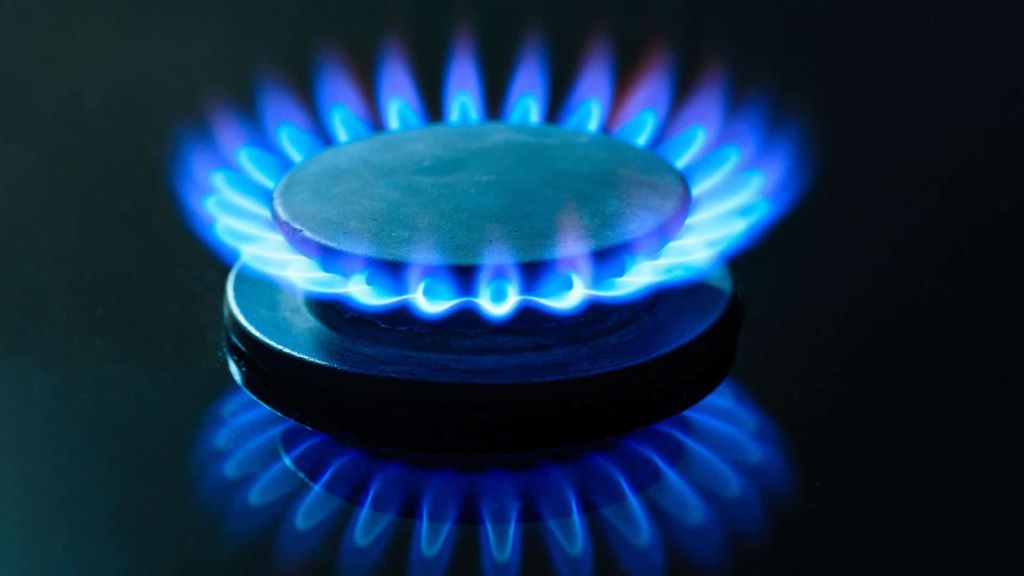
A gas stove is a kitchen workhorse, providing heat for cooking a variety of dishes. When it starts acting up, it can be a real kitchen crisis. One common issue is a low flame blues. This can be frustrating and impact your cooking efficiency. But fear not! With a little understanding, you can often diagnose and resolve the problem yourself. Let’s dive in and explore the common culprits behind a low flame and how to tackle them.
Understanding the Low Flame Blues
Before we delve into troubleshooting, it’s essential to understand what a healthy flame looks like. A gas stove burner should produce a steady, blue flame. A yellow or orange flame indicates incomplete combustion, which can be dangerous and less efficient.
Common Culprits for Low Flame Blues
-
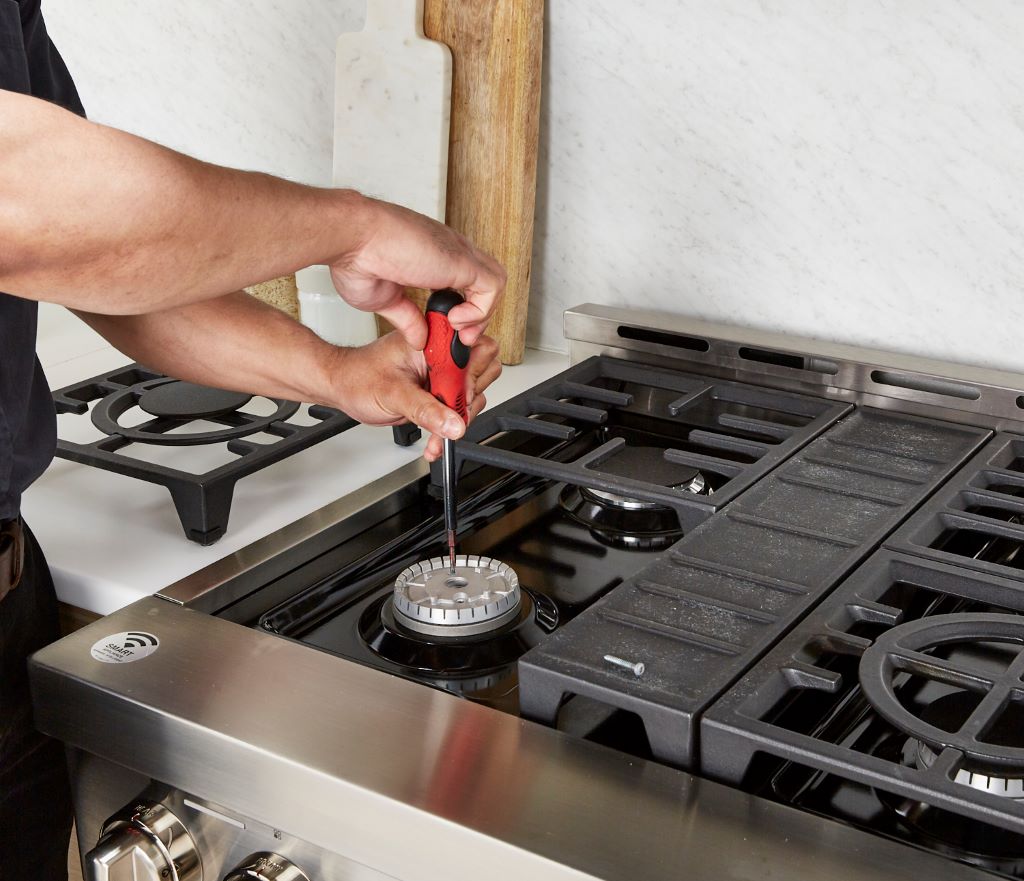
Clogged Burner Ports:
- The Problem: Over time, food residue, grease, and other debris can clog the tiny ports in your gas stove burner. This restricts gas flow, resulting in a weak flame.
- The Solution:
- Turn off the stove and allow it to cool completely.
- Remove the burner caps and lift out the burner.
- Soak the burner in a mixture of warm water and dish soap for about 30 minutes.
- Use a soft-bristled brush or a toothpick to gently clean the burner ports. Avoid using sharp objects that could damage the ports.
- Rinse thoroughly and dry completely before reinstalling.
-
Dirty or Faulty Igniter:
- The Problem: A dirty or damaged igniter can prevent the gas from igniting properly, leading to a low flame.
- The Solution:
- Turn off the gas supply to the stove.
- Locate the igniter, which is usually a small, ceramic component near the burner.
- Clean the igniter with a soft, dry cloth to remove any debris.
- If the igniter is visibly damaged, it may need replacement. Consult your stove’s manual or contact a professional for assistance.
-
Control Valve Issues:
- The Problem: The control valve regulates gas flow to the burner. A malfunctioning valve can restrict gas supply, causing a low flame.
- The Solution:
- This issue typically requires professional repair. Contact a qualified appliance technician for diagnosis and repair.
-
Gas Supply Problems:
- The Problem: Insufficient gas pressure can lead to a low flame. This could be due to a partially closed gas valve, a clogged gas line, or issues with the main gas supply.
- The Solution:
- Check the gas valve to ensure it’s fully open.
- If you suspect a clogged gas line, contact a professional plumber.
- For issues with the main gas supply, contact your gas utility provider.
-
Tip Over Prevention Device:
- The Problem: Some gas stoves have a tip-over prevention device that automatically shuts off the gas supply if the stove is accidentally tipped over. If this device activates prematurely, it can cause a low flame or prevent the stove from igniting, leading to gas stove low flame on all burners issues.
- The Solution:
- Check the stove’s level and stability.
- If the issue persists, consult your stove’s manual or contact a professional for assistance.
Low Flame Blues: Prevention and Maintenance
To keep your gas stove burners functioning optimally and reduce the likelihood of low-flame issues, follow these tips:
- Regular Cleaning: Clean the burner caps and grates after each use to prevent grease buildup.
- Avoid Overheating: Excessive heat can damage the burner components.
- Use Proper Cookware: Using cookware with the right size for the burner helps prevent uneven heating and potential damage.
- Professional Inspection: Schedule regular maintenance checks by a qualified technician to identify and address potential problems early on.
Related: Beyond the Blend: Unlocking the Power of Smoothie Creativity
By understanding the common causes of low flames and following these troubleshooting steps and preventive measures, you can enjoy efficient and safe cooking with your gas stove. Remember, if you’re unsure about any repairs or if the problem persists, it’s always best to consult a professional appliance technician.
Do you have a specific gas stove issue you’d like to troubleshoot? Let me know!