Fuel is a major expense for any trucking operation. With prices constantly fluctuating, maximizing fuel efficiency isn’t just a good practice—it’s a financial imperative. While drivers and dispatchers focus on optimal routes and efficient driving, many overlook a critical factor: the truck itself. A well-maintained semi-truck with optimal semi trucks fuel efficiency is a fuel-efficient semi-truck. Let’s delve into the surprising ways regular servicing can transform your fleet’s MPG.
1. The Engine: The Heart of Semi Trucks Fuel Efficiency
- Oil Changes: Engine oil degrades over time, becoming less effective at lubricating and cooling. This leads to increased friction, causing the engine to work harder and burn more fuel. Regular oil changes with the correct viscosity are crucial.
- Air Filters: A clogged air filter restricts airflow to the engine, starving it of oxygen and leading to incomplete combustion. This is a major fuel waster. Replacing air filters according to the manufacturer’s schedule is a simple fix.
- Fuel Filters: Dirty fuel injectors can cause poor atomization of fuel, leading to inefficient burning. Regular cleaning or replacement ensures the fuel system is working at its best.
- Engine Tune-Ups: Comprehensive tune-ups involving spark plug checks (if applicable), valve adjustments, and sensor inspections ensure all engine components work harmoniously, maximizing power and fuel economy.
2. Tires: More Than Just Rubber
- Tire Pressure: Underinflated tires increase rolling resistance, forcing the engine to expend more energy to maintain speed. Regularly checking tire pressure and maintaining it at the correct PSI can make a surprising difference.
- Tire Alignment: Misaligned wheels cause the tires to scrub against the road, wasting fuel. Regular alignment checks prevent this unnecessary wear and tear.
- Tire Tread: Worn treads don’t grip the road properly, leading to slippage and reduced fuel efficiency. Replacing worn tires is a sound investment in fuel savings.
3. Aerodynamics: Cutting Through the Wind
- Deflectors and Fairings: Semi trucks are notorious for their large, boxy shapes, which create a lot of wind resistance. Adding roof deflectors, side skirts, and gap seals can dramatically improve airflow, reducing drag and improving fuel economy by up to 10%.
- Trailer Underbody: Keeping the trailer underbody clean and free of debris helps streamline airflow and reduces drag.
- Trailer Tail: Adding aerodynamic trailer tails can further reduce turbulence and improve fuel efficiency, particularly at highway speeds.
4. Transmission and Driveline
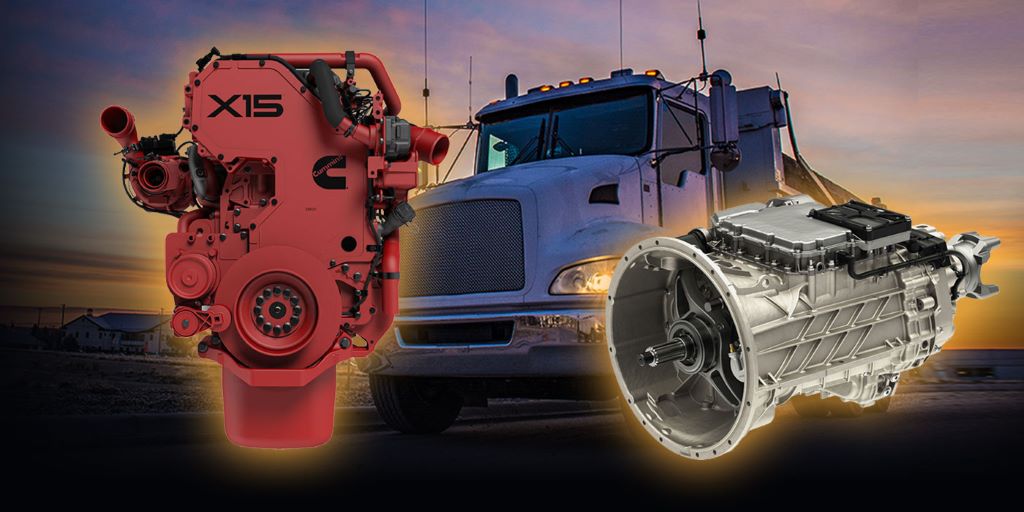
- Transmission Fluid: Like engine oil, transmission fluid degrades over time. Fresh fluid ensures smooth shifting and optimal power transfer, reducing fuel consumption.
- Driveline Components: Worn U-joints, bearings, and differential gears can cause friction and power loss, hurting fuel economy. Regular inspection and timely replacement prevent these issues.
5. Electrical System
- Alternator: A failing alternator puts additional strain on the engine, as it has to work harder to generate electricity. Regularly checking the alternator and battery health ensures a smooth-running electrical system.
- Parasitic Draw: Electrical components that draw power even when the engine is off (parasitic draw) can drain the battery and require the alternator to work overtime, impacting fuel efficiency. Diagnosing and fixing electrical problems is key.
6. Weight and Cargo
- Proper Loading: Overloading a semi-truck is a fuel efficiency killer. Ensure loads are evenly distributed and within the truck’s weight limits.
- Reducing Unnecessary Weight: Carrying around excess tools, equipment, or supplies adds weight, which means the engine needs to burn more fuel to move the truck. Streamline what’s carried in the cab and storage compartments.
7. Driver Behavior
- Speeding: Speeding is a major fuel drain. Encourage drivers to maintain consistent speeds and avoid aggressive acceleration and braking.
- Idling: Idling wastes fuel. Educate drivers on the importance of turning off the engine during extended stops. Invest in auxiliary power units (APUs) or idle reduction technologies if needed.
Ditch the Dust Bunnies: DIY Car Cleaning Slime for Detailing Fanatics
The Fleet-Wide Impact
The cumulative effect of regular maintenance across an entire fleet can be astounding. Even small improvements in fuel efficiency per truck can translate into significant savings over time, reducing operational costs and improving your bottom line.
Beyond Semi Trucks Fuel Efficiency
While fuel efficiency is a primary concern, regular maintenance offers a host of additional benefits:
- Reduced Downtime: Preventive maintenance minimizes unexpected breakdowns, keeping trucks on the road and generating revenue.
- Extended Vehicle Lifespan: Well-maintained trucks last longer, delaying the need for costly replacements.
- Improved Safety: Regular inspections and servicing identify potential safety issues before they become critical, protecting drivers and others on the road.
- Resale Value: A well-maintained truck commands a higher resale value when it’s time to upgrade.
Related: Revving a New Era: Car Junk Yard is Adapting to Electric Vehicles
Semi Trucks Fuel Efficiency Secret: Investing in the Future
In the trucking industry, time is money and every mile counts. By investing in regular maintenance, like exploring Automotivesmartsolutions review on how many gallons of gas semi trucks hold, you’re not just saving fuel; you’re investing in the long-term success and profitability of your operation. So, make maintenance a priority, and watch your fleet’s performance and your bottom line improve.
I hope this comprehensive article is helpful and meets your needs!