For feline fanatics, cat litter is an undeniable necessity. But beyond the convenience it provides for pet owners, cat litter has quietly carved out a space for itself as a multi-billion dollar industry. Yet, the question remains: is cat litter a golden niche or a market desperately clinging to profitability? This article delves into the world of cat litter, exploring its market dynamics, key players, and potential growth opportunities.
The Feline Factor: A Market Driven by Devotion
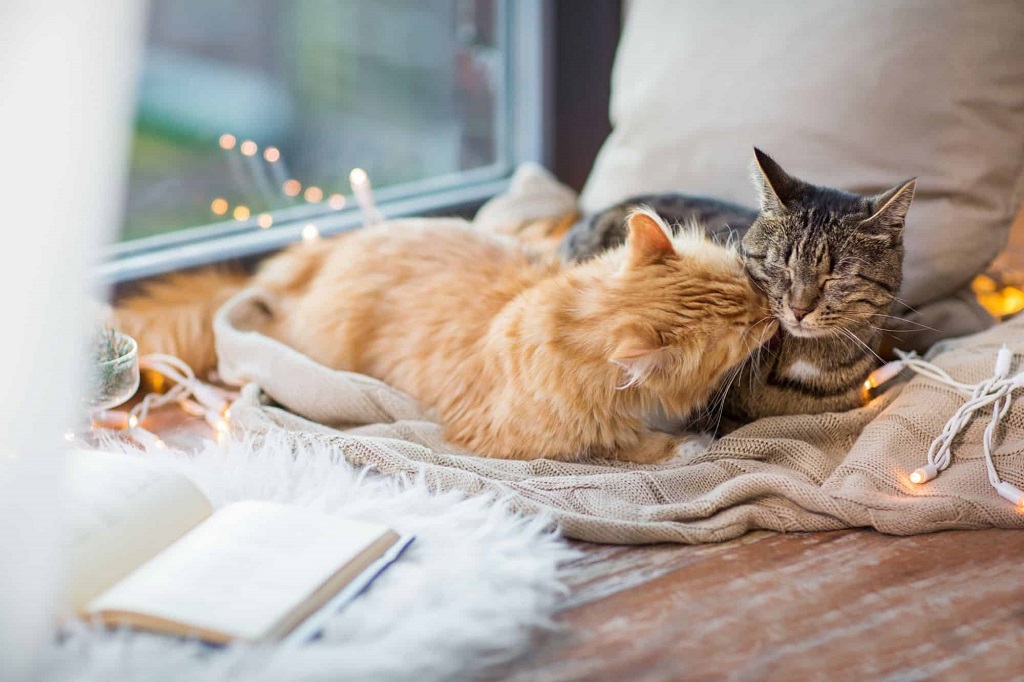
The pet industry, fueled by our love for furry companions, is a booming business. In the US alone, pet owners spent a staggering $103.6 billion on their pets in 2023, according to the American Pet Products Association (APPA). Cats reign supreme, with an estimated 85.8 million felines gracing American homes. This translates to a massive and dedicated consumer base for cat litter companies.
A Breakdown of the Business: Products, Players, and Profits
The cat litter market offers a surprising variety of products, catering to different preferences and budgets. Here’s a breakdown of the key players:
- Clumping Clay: The dominant player, clumping clay offers superior odor control and easy scooping. However, it can be heavy, dusty, and not environmentally friendly.
- Non-Clumping Clay: A budget-friendly option, non-clumping clay requires more frequent litter box changes but is lightweight and readily available.
- Silica Gel: Popular for its exceptional odor control and low dust, silica gel is highly absorbent but can be expensive.
- Natural Litters: Made from recycled paper, wood pellets, or corn, natural litters are eco-friendly but may not offer the same level of odor control as clay. The global cat litter market was valued at USD 15.65 billion in 2023 and is expected to grow at a CAGR of 5.2% from 2024 to 2030, according to Grand View Research. Major players in this space include:
- Mars Inc. (through brands like Ever Clean and Tidy Cats): A household name in pet care, Mars Inc. holds a significant market share in cat litter.
- Church & Dwight Co., Inc. (Arm & Hammer): Leveraging brand recognition, Arm & Hammer offers a variety of cat litter options.
- The Clorox Company (Fresh Step): Another major pet care player, Clorox caters to the cat litter market with their Fresh Step brand.
- Smaller, Niche Brands: Independent and eco-conscious brands are making inroads with innovative and sustainable cat litter options.
Clawing its Way to Growth: Challenges and Potential
Despite its established position, the cat litter industry faces some challenges:
- Maturing Market: The pet ownership rate in developed countries is approaching saturation, potentially limiting significant market growth.
- Price Sensitivity: Budget-conscious consumers may opt for cheaper, less-effective litters, impacting profit margins for premium brands.
- Environmental Concerns: Clumping clay litter contributes to landfill waste, prompting a rise in demand for sustainable alternatives.
However, the market also presents exciting growth opportunities:
- Premiumization: Consumers are increasingly willing to pay more for premium cat litter options that offer superior odor control, clumping ability, and dust-free formulas.
- E-commerce Boom: The rise of online pet retailers offers cat litter companies wider reach and convenience for customers.
- Innovation in Sustainability: Developing eco-friendly alternatives made from recycled materials or plant-based sources can attract environmentally conscious consumers.
Beyond the Litter Box: Diversification and the Future
Cat litter companies are exploring ways to diversify their offerings beyond the basic product. Here are some trends to watch:
- Subscription Models: Delivering cat litter directly to customers’ doorsteps regularly can ensure recurring revenue and convenience.
- Cat Litter Box Innovation: Self-cleaning litter boxes or automated scooping systems offer a premium, hands-off approach to cat litter management.
- Focus on Cat Health: Developing litters that promote cat health, such as those with built-in odor control or urinary tract health benefits, can be a differentiator.
Related: FinTok vs. Reality: Can You Trust Social Media Money Management Tips?
The Final Scoop: A Market with Claws
The cat litter market, though mature, is not a pushover. It presents both challenges and opportunities for companies willing to adapt and innovate. By catering to a dedicated pet owner base, embracing sustainability, and capitalizing on technological advancements, cat litter companies can ensure their place in this lucrative niche.
Remember, the future of cat litter is not just about keeping litter boxes clean, but about creating a win-win situation for pet owners, cats, and the environment. Here are some final thoughts:
- Consumer Education: Educating cat owners on the benefits of premium litters, proper litter box hygiene, and responsible disposal can contribute to market growth.
- Technological Advancements: Investing in research and development to create more sustainable, odor-neutralizing, and cat-friendly litter options will be crucial.
- The Human-Animal Bond: Understanding the deep bond between humans and cats, and the role cat litter plays in facilitating comfortable cohabitation, can guide future product development.
The cat litter market may not be as glamorous as other pet care segments, but it serves a vital purpose. By recognizing its potential and adapting to changing consumer preferences, the industry can continue to claw its way to profitability while ensuring the comfort and well-being of our feline companions.