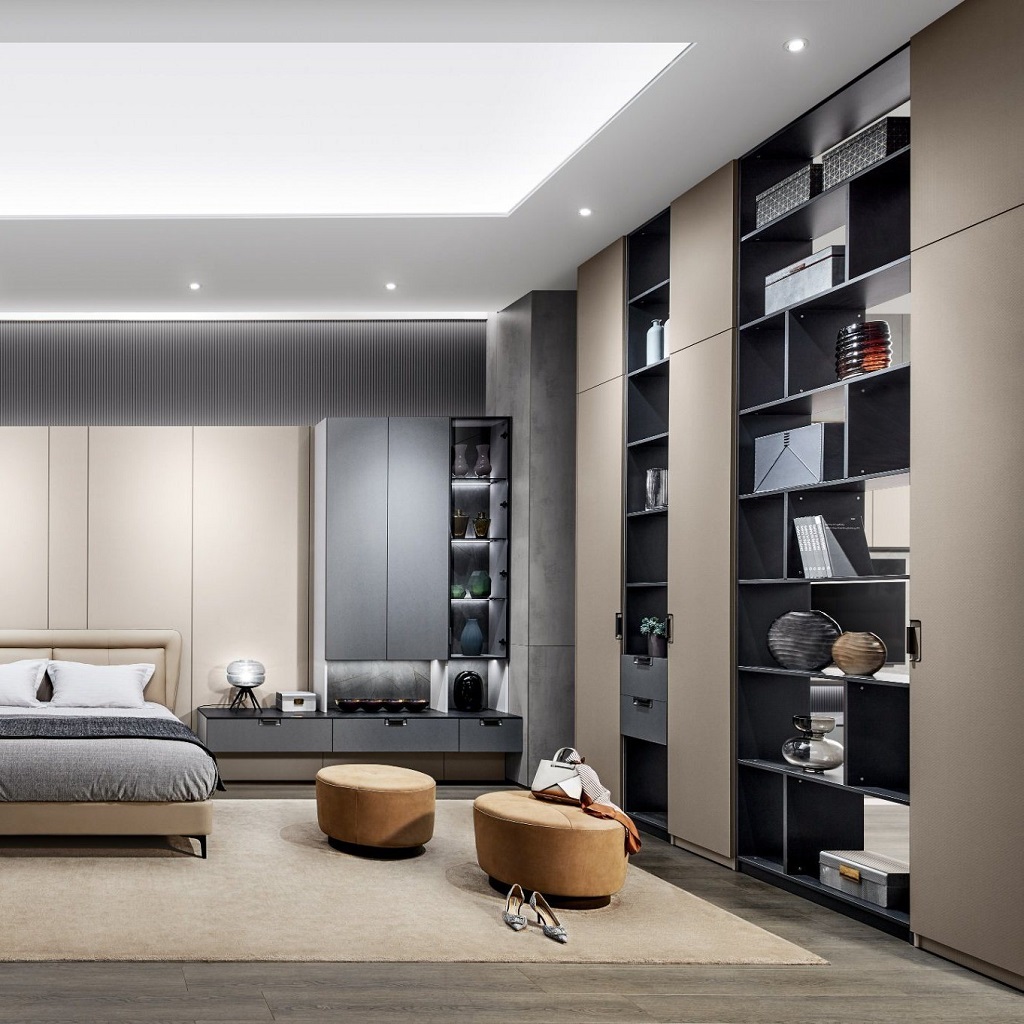
The world of home decor has witnessed a remarkable evolution over the years. Gone are the days when furniture merely served functional purposes. Today, with the advent of smart homes, furniture has become an integral part of the technological landscape, offering unparalleled convenience, comfort, and style.
In this article, we’ll delve into the significance of modern technology furniture for smart homes and explore various types that are revolutionizing home improvement projects.
Understanding Modern Technology Furniture
Defining Modern Technology Furniture:
Modern technology furniture encompasses a diverse range of products that seamlessly integrate cutting-edge technology into their design and functionality. From sofas equipped with built-in speakers to tables with wireless charging capabilities, these pieces redefine the concept of traditional furniture.
Integration of Technology in Furniture Design:
The beauty of modern furniture lies in its ability to blend seamlessly with contemporary decor while offering innovative features. Manufacturers leverage advancements in materials science and electronics to create products that are not only visually appealing but also highly functional.
Benefits of Modern Technology Furniture in Smart Homes:
The incorporation of technology into furniture brings forth a myriad of benefits for homeowners. Beyond aesthetics, these pieces enhance convenience, promote energy efficiency, and elevate the overall living experience in smart homes.
Types of Modern Technology Furniture
Smart Sofas and Couches:
Imagine lounging on a sofa that adjusts its firmness according to your preference or one that comes with built-in USB ports for charging devices. Smart sofas and couches epitomize luxury and comfort in the digital age.
Intelligent Tables and Desks:
Whether it’s a coffee table with a built-in refrigerator or a desk that doubles as a touchscreen monitor, intelligent tables and desks offer versatility and functionality like never before.
Tech-Enhanced Beds and Mattresses:
From adjustable beds with integrated massage features to mattresses that track sleep patterns, tech-enhanced bedding solutions cater to the need for a good night’s rest in today’s fast-paced world.
Innovative Storage Solutions:
Say goodbye to clutter with storage furniture that incorporates smart organization systems, such as automated closets and modular shelving units.
Interactive Entertainment Centers:
Transform your living room into a multimedia hub with entertainment centers equipped with built-in sound systems, LED lighting, and display panels for immersive viewing experiences.
Practical Applications for Home Improvement
Enhancing Comfort and Convenience: Modern technology furniture prioritizes user comfort and convenience, with features like remote-controlled adjustments and voice-activated commands.
Maximizing Space Utilization: In smaller living spaces, multifunctional furniture serves dual purposes, optimizing floor space without compromising on style or functionality.
Promoting Energy Efficiency: Smart furniture often includes energy-saving features, such as sensors that adjust lighting and temperature settings based on occupancy, contributing to a more sustainable home environment.
Elevating Aesthetics and Ambiance: The sleek design and futuristic aesthetics of modern technology furniture add a touch of sophistication to any interior, enhancing the overall ambiance of smart homes.
Streamlining Daily Living: From managing household tasks to controlling smart home devices, technology-integrated furniture streamlines daily routines, making life easier and more efficient.
Factors to Consider When Choosing Modern Technology Furniture
Compatibility with Existing Tech Ecosystem: Ensure seamless integration with your existing smart home ecosystem to avoid compatibility issues and maximize functionality.
Durability and Longevity: Invest in high-quality pieces that are built to last, considering factors such as material durability and manufacturing standards.
User-Friendly Features and Interfaces: Opt for furniture with intuitive interfaces and user-friendly features that enhance usability and accessibility for all members of the household.
Integration with Home Automation Systems: Choose furniture that is compatible with popular home automation platforms, allowing for centralized control and management of smart devices.
Budgetary Considerations: While modern furniture offers unparalleled benefits, it’s essential to weigh the cost against the value it brings to your home and lifestyle.
Installation and Maintenance Tips
Professional Installation vs. DIY Approach: Depending on the complexity of the furniture and your comfort level with technology, consider hiring professionals for installation to ensure optimal performance and safety.
Routine Maintenance Practices: Follow manufacturer recommendations for routine maintenance, such as cleaning and inspection, to prolong the lifespan of your modern furniture.
Troubleshooting Common Issues: Familiarize yourself with troubleshooting procedures for common issues, such as connectivity problems or software glitches, to address minor issues promptly.
Upgrading and Expanding Technology Features: Stay updated with firmware updates and new technology features to keep your furniture functioning at its best and explore opportunities for future upgrades.
Addressing Common Concerns and Misconceptions
Privacy and Security Risks: While modern technology furniture offers enhanced connectivity, it’s essential to prioritize privacy and security by implementing robust cybersecurity measures and data encryption protocols.
Dependency on Technology: While technology-integrated furniture can enhance daily living, it’s essential to maintain a balance and not become overly reliant on automation for basic tasks.
Long-Term Viability and Adaptability: Choose furniture with modular designs and upgradable components to ensure long-term viability and adaptability to evolving technology trends.
Environmental Impact and Sustainability: Consider the environmental impact of modern technology furniture, opting for eco-friendly materials and sustainable manufacturing practices whenever possible.
Real-Life Success Stories
Testimonials from Homeowners: Hear firsthand accounts from homeowners who have integrated modern technology furniture into their smart homes and experienced transformative benefits.
Case Studies of Smart Home Transformations: Explore real-life examples of smart home transformations, showcasing the impact of modern technology furniture on lifestyle, comfort, and convenience.
Before-and-After Comparisons: Witness the dramatic changes in living spaces before and after the incorporation of modern technology furniture, highlighting the tangible improvements in functionality and aesthetics.
Expert Recommendations and Insights
Insights from Interior Design Professionals: Gain valuable insights from interior design professionals on incorporating modern technology furniture into various design styles and aesthetic preferences.
Tips from Technology Integration Experts: Learn practical tips and tricks from technology integration experts on optimizing the functionality and performance of modern furniture.
Advice from Smart Home Enthusiasts: Tap into the knowledge and experience of smart home enthusiasts who have firsthand experience with modern furniture and can offer valuable advice and recommendations.
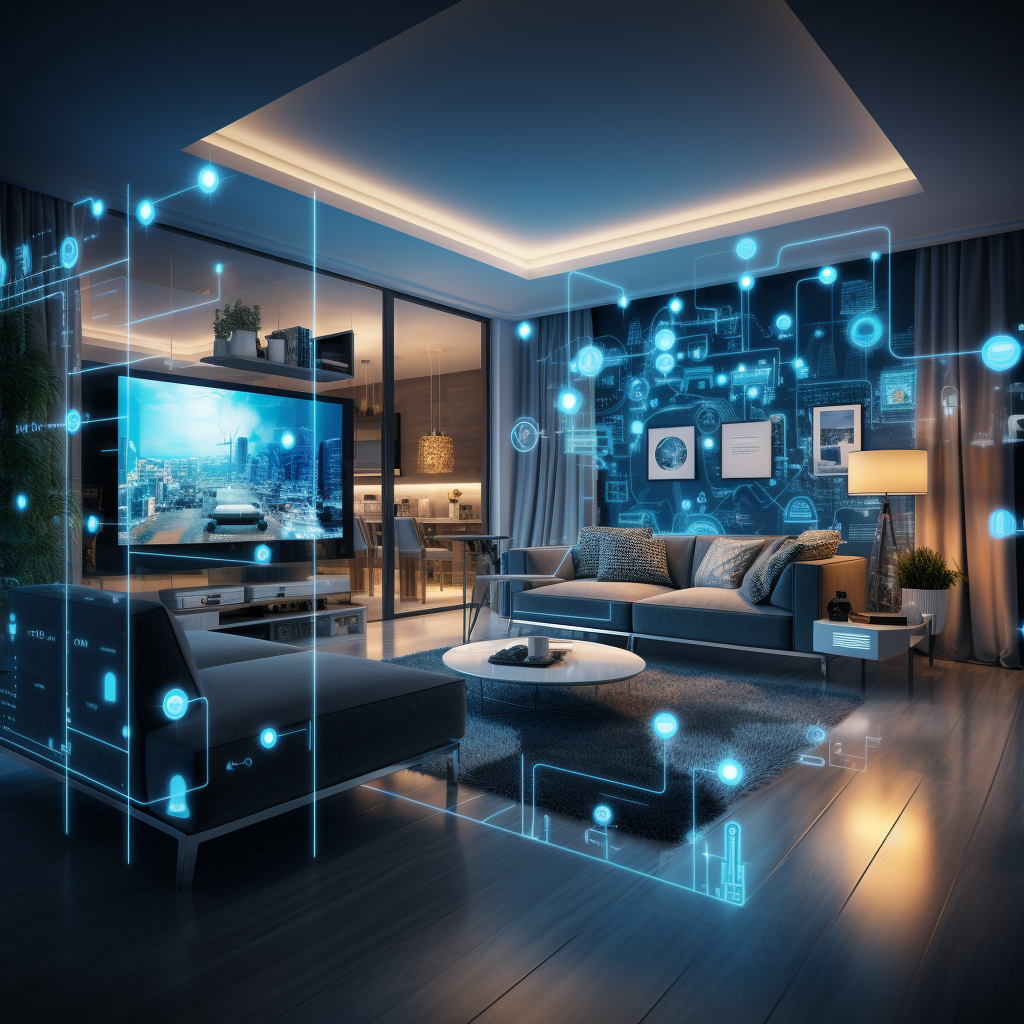
The Pros and Cons of Modern Technology Furniture:
Pros:
- Enhanced Convenience: One of the primary advantages of modern furniture is the convenience it offers. With features like built-in USB ports, wireless charging capabilities, and remote-controlled adjustments, technology-integrated furniture makes daily tasks easier and more efficient.
- Improved Comfort: Modern furniture prioritizes user comfort with features such as adjustable settings, massage functions, and ergonomic designs. These elements enhance comfort levels, promoting relaxation and well-being for users.
- Space Optimization: Many pieces of modern furniture are designed with space optimization in mind. Multifunctional furniture items, such as sofa beds or coffee tables with storage compartments, help maximize the use of limited space in modern homes.
- Energy Efficiency: Smart furniture often includes energy-saving features like motion sensors, timers, and programmable settings. By automatically adjusting lighting, temperature, and power usage based on occupancy and usage patterns, technology-integrated furniture contributes to energy conservation and cost savings.
- Aesthetically Pleasing: Modern technology furniture blends seamlessly with contemporary decor styles, offering sleek designs and futuristic aesthetics. These pieces not only serve functional purposes but also serve as statement pieces that elevate the overall ambiance of living spaces.
- Customization Options: Many modern technology furniture items offer customization options, allowing users to tailor features and settings according to their preferences. Whether it’s adjusting seat firmness or selecting lighting colors, customization enhances user satisfaction and personalization.
Cons:
- High Initial Cost: One of the significant drawbacks of modern technology furniture is the high initial cost associated with purchasing and installing these items. The integration of advanced technology and premium materials often results in higher price tags, making them less accessible to budget-conscious consumers.
- Complexity and Learning Curve: Some users may find the technological features of modern furniture intimidating or challenging to navigate. The complexity of settings, interfaces, and troubleshooting procedures may require a learning curve, especially for those unfamiliar with smart technology.
- Reliability and Durability Concerns: Despite advancements in technology, modern furniture may be susceptible to technical issues, malfunctions, or breakdowns over time. The reliance on electronic components and connectivity features increases the risk of reliability and durability concerns, potentially leading to maintenance hassles and repair costs.
- Compatibility Issues: Compatibility with existing smart home systems and devices can be a significant concern when integrating modern technology furniture into the home. Incompatible protocols, software versions, or connectivity issues may hinder seamless integration and functionality, requiring additional troubleshooting and investment.
- Privacy and Security Risks: Connected furniture with sensors, cameras, or microphones raises concerns about privacy and security risks. Vulnerabilities in software or data breaches could compromise sensitive information or expose users to privacy invasions, necessitating robust cybersecurity measures and privacy protections.
- Dependency on Technology: Over-reliance on technology for everyday tasks and activities can lead to dependency issues and disconnection from traditional methods. Users may become overly reliant on automated features, losing touch with manual alternatives and essential skills.
FAQs of Modern Technology Furniture:
1. What are the key benefits of modern furniture for smart homes?
Modern technology furniture enhances comfort, convenience, energy efficiency, and aesthetics in smart homes, offering innovative features and seamless integration with existing technology ecosystems.
2. How can homeowners ensure compatibility when choosing modern furniture?
Homeowners should ensure compatibility by selecting furniture that integrates seamlessly with their existing smart home devices and automation systems, considering factors such as connectivity protocols and software compatibility.
3. Are there any privacy and security risks associated with modern furniture?
While modern technology furniture offers enhanced connectivity, homeowners should prioritize privacy and security by implementing robust cybersecurity measures, such as data encryption and secure authentication protocols.
4. How can homeowners maintain and troubleshoot modern furniture effectively?
Homeowners can maintain modern technology furniture by following manufacturer recommendations for routine maintenance and troubleshooting common issues promptly, such as connectivity problems or software glitches.
5. What should homeowners consider in terms of long-term viability and adaptability when investing in modern furniture?
Homeowners should choose furniture with modular designs and upgradable components to ensure long-term viability and adaptability to evolving technology trends, allowing for future upgrades and enhancements.
Conclusion
In conclusion, modern technology furniture represents a paradigm shift in home decor, offering unparalleled convenience, comfort, and style for smart homes. By understanding the different types of modern technology furniture, considering key factors when choosing, and embracing practical installation and maintenance tips, homeowners can elevate their living spaces to new heights of sophistication and functionality. Embrace the future of home decor with modern technology furniture and transform your house into a truly smart home.