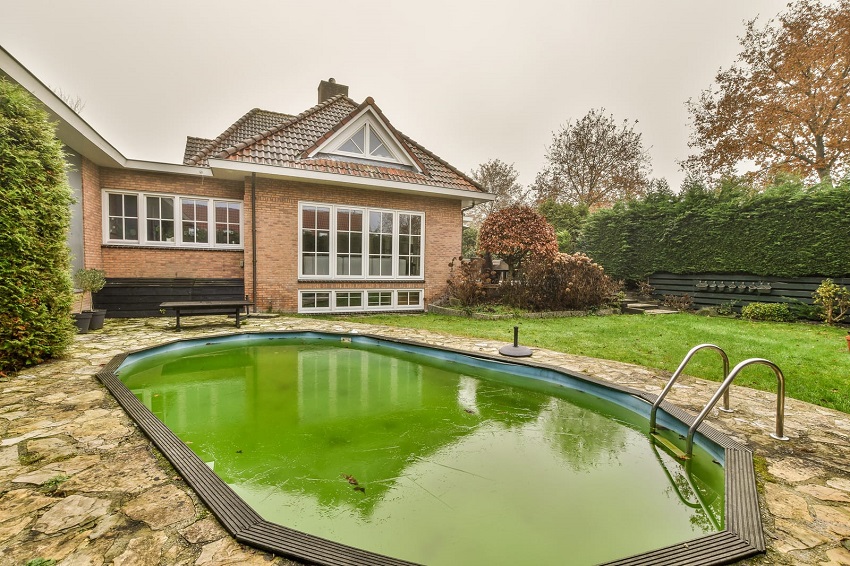
Picture this: a hot summer day, and you eagerly head towards your pool, ready for a refreshing dip. But to your disappointment, the water looks cloudy and uninviting. Don’t worry; a secret ingredient can transform your pool from murky to sparkling – baking soda for pool!
Maintaining a pool can sometimes be challenging, especially when faced with common issues like algae growth, cloudy water, and stains. While numerous pool maintenance products are available, baking soda offers a simple, cost-effective, and eco-friendly solution to many pool problems.
Understanding Pool Maintenance
Before diving into baking soda’s magic, understanding the basics of pool maintenance is essential. One crucial factor to consider is the pH level of your pool water. pH measures the water’s acidic or alkaline, ranging from 0 to 14. Ideally, pool water should have a pH between 7.2 and 7.8 for optimal comfort and water balance.
The Role of pH Levels
pH levels play a significant role in pool water quality. If the pH is too high or too low, it can lead to various issues. A high pH can cause cloudy water, scale formation, and reduce the effectiveness of chlorine, while a low pH can result in corrosion, skin irritation, and eye discomfort. Maintaining the proper pH balance is essential for your pool’s longevity and its users’ comfort.
Common Pool Problems
Before we explore how baking soda can work its magic. Let’s look at some common pool problems that many pool owners encounter.
Algae Growth
Alga is a common nuisance in pools, especially in warm and humid climates. It can turn the water green, make surfaces slippery, and give your pool an unsightly appearance.
Cloudy Water
Cloudy water is another frustrating problem that pool owners face. It can make the water appear hazy and unclean, making it less inviting for swimmers.
Stains and Discoloration
Over time, pools can develop stains and discoloration, affecting the pool’s aesthetics and making cleaning more challenging.
Introducing Baking Soda
Now, let’s unveil the secret ingredient that can help solve these pool problems: baking soda. Yes, the same baking soda you use in your kitchen for baking and cleaning can also work wonders for your pool!
Baking Soda for pH Balance
Baking soda, also known as sodium bicarbonate, is a versatile compound that acts as a pH buffer, helping stabilize and balance your pool water’s pH level.
When added to the water, baking soda reacts with acids and bases, neutralizing them and preventing drastic pH changes. It acts as a natural buffer, keeping the water’s pH within the desired range.
Benefits of Using Baking Soda
Using baking soda for pH balance offers several advantages. It is safe, readily available, inexpensive, and doesn’t contain harsh chemicals that can harm the pool or its users. Baking soda is also environmentally friendly, making it a popular choice for eco-conscious pool owners. Here are some of the advantages of using baking soda for pool maintenance:
- pH Regulation: Baking soda, also known as sodium bicarbonate, is an effective pH buffer. It can help stabilize the pH levels of pool water, preventing it from becoming too acidic or too alkaline. Maintaining the appropriate pH balance is crucial for swimmer comfort and ensuring other pool chemicals’ effectiveness.
- Alkalinity Adjustment: Baking soda can also be used to increase the total alkalinity of pool water. Alkalinity acts as a pH buffer, helping to prevent rapid pH fluctuations. Adding baking soda raises the alkalinity levels and maintains a stable pH, improving water quality and clarity.
- Cost-Effective Solution: Baking soda is an affordable alternative to commercial alkalinity and pH increases. It is readily available in most stores and can be purchased at a fraction of the cost of specialized pool chemicals.
- Safe and Environmentally Friendly: Baking soda is non-toxic and safe to use around swimmers. It is eco-friendly as it does not introduce harmful chemicals into the pool water or the environment. This makes it preferable for those who prioritize natural or sustainable pool maintenance methods.
- Easy Application: Applying baking soda to a pool is a straightforward process. It can be directly added to the pool water and dissolves easily. Baking soda can also be pre-dissolved in a bucket of water before pouring it into the pool.
- Water Clarity: Baking soda can help improve water clarity by balancing the pH and alkalinity levels. When these parameters are within the optimal range, the water is less likely to become cloudy or develop scaling issues.
Using Baking Soda to Clear Cloudy Water
Now that we understand the importance of pH balance and the benefits of baking soda for pool. Let’s explore how baking soda can help clear cloudy water in your pool.
Testing the pH Level
Before treating cloudy water, it’s crucial to test the pH level of your pool water. You can use a pool testing kit or visit a local pool supply store for professional testing.
Balancing pH with Baking Soda
If the pH level is too high, indicating alkaline water, you can use baking soda to return it to the optimal range. Baking soda acts as a pH increaser, effectively raising the pH level and reducing cloudiness.
Step-by-Step Guide for Treating Cloudy Water
- Test the pH level of your pool water.
- If the pH is too high, add baking soda gradually, following the recommended dosage for your pool size. It’s best to add it in increments and retest the water to avoid overcorrection.
- Allow the baking soda to dissolve and circulate for a few hours.
- Retest the pH level and adjust if necessary.
- Monitor the water’s clarity over the next few days, and repeat the process if needed.
Other Uses of Baking Soda for Pool Maintenance
Baking soda isn’t just useful for balancing pH and treating cloudy water. It can also help with other pool maintenance tasks.
Removing Stains and Discoloration
Baking soda can be a mild abrasive cleaner, removing stains and discoloration from pool surfaces. Simply create a paste using baking soda and water, apply it to the stained areas, scrub gently, and rinse thoroughly.
Fighting Algae Growth
In addition to its pH-balancing properties, baking soda can help inhibit algae growth. Algae thrive in an unbalanced environment, and by maintaining the proper pH with baking soda, you can create a less favorable environment for algae to thrive.
Safety Considerations and Precautions
While baking soda is generally safe to use in pools, taking some precautions is essential. Avoid adding large amounts of baking soda at once, as it can cause a rapid pH increase. Always follow the recommended dosage based on your pool size and monitor the pH level regularly. Consult a pool professional if you have specific concerns or questions about using baking soda for your pool.
Conclusion
From balancing pH levels to treating cloudy water and fighting algae growth, baking soda offers an effective, affordable, and environmentally friendly solution for various pool maintenance challenges. By harnessing the magic of baking soda, you can transform your pool from cloudy to sparkling, creating a refreshing oasis for endless summer enjoyment.