The crunchy lifestyle movement embraces traditional living methods that prioritize natural, sustainable practices. Modern families increasingly reject convenience culture in favor of time-tested approaches to food, health, and home management. This return to old-fashioned living combines environmental consciousness with practical skills from previous generations.
Understanding the Crunchy Lifestyle Philosophy
Crunchy living means choosing natural alternatives over processed modern conveniences. The term originated from the stereotypical sound of granola crunching, symbolizing health-conscious choices. Today, this philosophy extends far beyond breakfast cereal into every aspect of daily life.
Families adopting crunchy practices often start with one area before expanding their efforts. Some begin with homemade cleaning products, while others focus on organic gardening. Therefore, the transition happens gradually rather than overnight.
This lifestyle prioritizes self-sufficiency and reduced dependence on industrial systems. Additionally, crunchy families value knowing exactly what ingredients enter their homes and bodies. Environmental stewardship and health consciousness drive these choices equally.
Home Food Production and Preservation
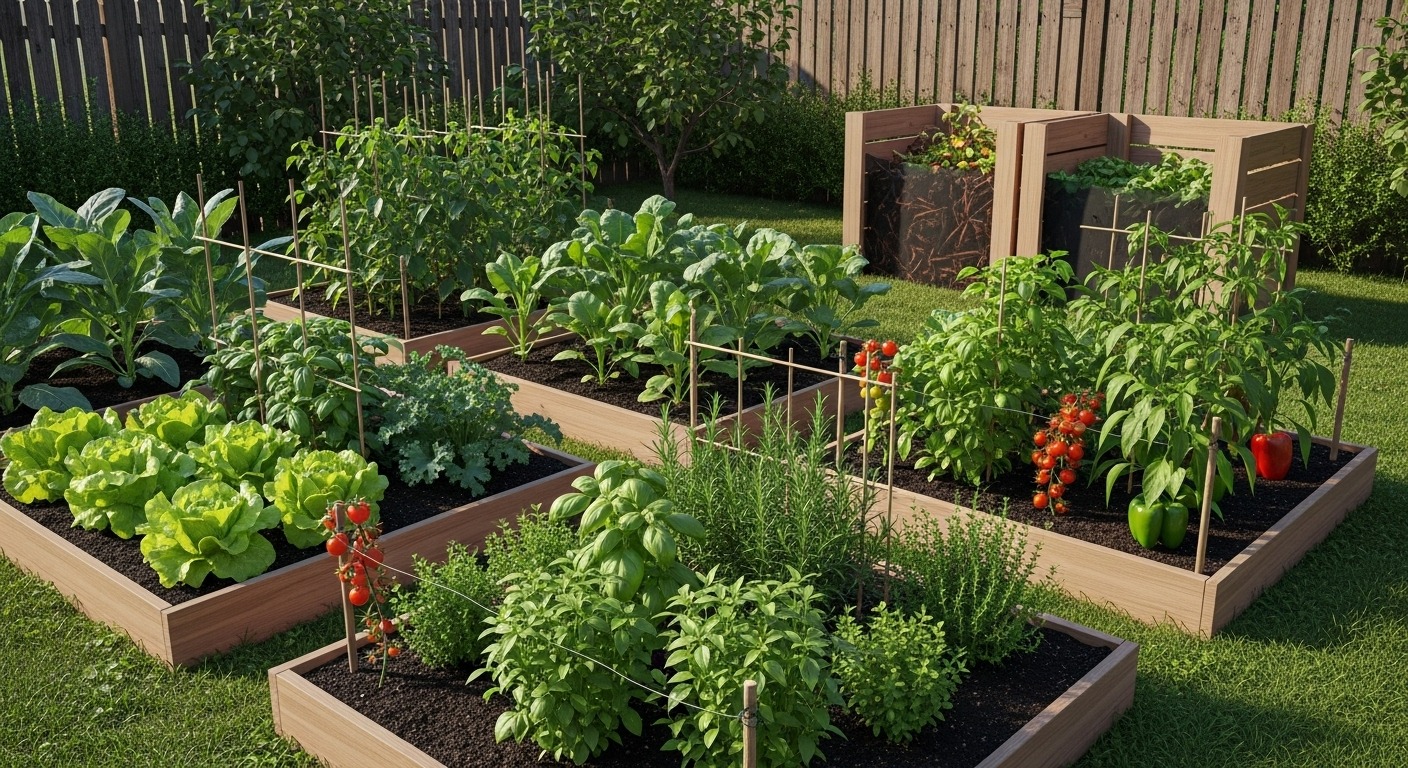
Growing vegetables represents a foundational crunchy practice. Backyard gardens provide fresh produce without pesticides or long-distance transportation. Even small urban spaces accommodate container gardens for herbs and tomatoes.
Canning and preserving food follows naturally from home gardening. Glass jars line pantry shelves filled with tomato sauce, pickles, and fruit preserves. These old-fashioned preservation methods eliminate artificial preservatives while extending seasonal harvest enjoyment.
Sourdough bread baking has experienced remarkable revival among crunchy households. Maintaining a sourdough starter requires daily attention but produces healthier bread than store-bought alternatives. Moreover, the fermentation process increases nutrient bioavailability and digestibility.
Fermenting vegetables creates probiotics naturally without expensive supplements. Sauerkraut, kimchi, and pickled vegetables populate crunchy refrigerators. These traditional preservation methods also support gut health through beneficial bacteria.
Keeping backyard chickens provides fresh eggs and natural pest control. Urban chicken ordinances increasingly permit small flocks in residential areas. However, local regulations should be verified before purchasing birds.
Natural Health and Wellness Practices
Herbal remedies replace over-the-counter medications for minor ailments in crunchy homes. Elderberry syrup treats cold symptoms, while chamomile tea calms upset stomachs. These plant-based medicines connect modern families with centuries-old healing traditions.
Essential oils serve multiple purposes from cleaning to aromatherapy. Tea tree oil acts as natural antiseptic, while lavender promotes relaxation and sleep. Additionally, peppermint oil relieves headaches when applied to temples.
Home births and midwifery care represent the ultimate crunchy childbirth choice. Many families prefer natural labor without medical interventions when possible. However, safety considerations and individual circumstances must guide these deeply personal decisions.
Extended breastfeeding continues past infancy in crunchy families. The World Health Organization recommends breastfeeding through age two or beyond. This practice provides ongoing nutritional and immune benefits for children.
Cloth diapering reduces waste while eliminating exposure to diaper chemicals. Modern cloth diaper systems function far more conveniently than old-fashioned pins and plastic pants. Therefore, environmental benefits no longer require excessive effort.
According to The New York Times, the natural parenting movement encompasses these health-focused lifestyle choices that prioritize traditional wisdom over modern convenience.
Sustainable Home Management
Homemade cleaning products eliminate toxic chemicals from living spaces. Vinegar, baking soda, and castile soap clean effectively without harsh ingredients. Additionally, these simple ingredients cost significantly less than commercial cleaners.
Line drying laundry reduces energy consumption and extends clothing life. Sunshine naturally bleaches and freshens fabrics without chemicals. Moreover, outdoor clotheslines create pleasant household routines connecting families with weather patterns.
Composting kitchen scraps and yard waste creates nutrient-rich soil amendments. This practice diverts organic material from landfills while improving garden productivity. Therefore, composting closes the loop in home food production systems.
Cloth napkins and towels replace disposable paper products. Initial investment in quality linens pays dividends through years of repeated use. Furthermore, cloth options actually perform better than paper alternatives for most tasks.
Reusable shopping bags, produce bags, and food storage containers eliminate single-use plastics. Beeswax wraps replace plastic wrap for food storage. These simple swaps dramatically reduce household waste generation.
Traditional Crafts and Handmade Goods
Knitting, crocheting, and sewing create clothing and household items by hand. These traditional skills produce custom pieces while providing meditative creative outlets. Additionally, handmade items carry sentimental value beyond mass-produced alternatives.
Soap making allows complete control over ingredients touching skin daily. Cold process soap requires only oils, lye, and water plus optional natural colorants and scents. Therefore, families avoid synthetic fragrances and preservatives found in commercial soaps.
Candle making from beeswax or soy provides non-toxic lighting and ambiance. Homemade candles burn cleaner than petroleum-based paraffin candles. Moreover, the craft itself becomes enjoyable family activity.
Woodworking and furniture restoration preserve quality pieces rather than buying disposable furniture. Refinishing vintage finds creates unique home decor with history and character. These skills also enable home repairs without contractor expenses.
Quilting transforms fabric scraps into beautiful, functional blankets. This traditional craft combines artistry with practicality while reducing textile waste. Furthermore, handmade quilts become family heirlooms passed through generations.
Minimalism and Intentional Consumption
Crunchy families typically embrace minimalism alongside traditional practices. Fewer possessions mean less cleaning, organizing, and financial burden. Additionally, minimalism aligns with environmental values by reducing consumption.
Buying secondhand through thrift stores and garage sales prevents waste while saving money. Vintage and antique items often feature superior quality compared to modern equivalents. Therefore, secondhand shopping supports both frugality and sustainability.
Capsule wardrobes simplify daily decisions while encouraging quality over quantity. Classic, durable clothing pieces mix and match efficiently. Moreover, this approach naturally reduces laundry and storage needs.
Toy minimalism focuses on open-ended playthings encouraging creativity. Wooden blocks, art supplies, and outdoor equipment replace plastic electronic toys. Consequently, children develop imagination and problem-solving skills through unstructured play.
One in, one out policies maintain household balance after achieving desired minimalism. New purchases require removing existing items. This practice prevents accumulation while maintaining intentional living spaces.
Educational Choices and Screen Time Limits
Homeschooling or alternative education aligns with crunchy values for many families. These approaches allow customized learning emphasizing outdoor exploration and hands-on skills. Additionally, non-traditional education fosters close family relationships.
Waldorf and Montessori philosophies particularly attract crunchy families. These educational methods emphasize natural materials, creative play, and child-led learning. Furthermore, they typically limit or eliminate screen exposure during early childhood.
Strict screen time limits or complete elimination characterize crunchy households. Children engage with books, nature, and physical activities instead. However, implementation varies widely based on family circumstances and individual needs.
Nature-based learning takes education outdoors regularly. Forest schools and nature programs teach academic concepts through environmental exploration. Therefore, children develop both knowledge and deep connection with natural world.
According to NPR, many parents are reconsidering screen time limits as research reveals impacts on child development and family dynamics.
Financial Philosophy and Self-Sufficiency
Frugal living naturally accompanies crunchy lifestyle choices. Homemade products, gardening, and minimalism all reduce expenses significantly. Additionally, these practices build valuable skills increasing household resilience.
Debt freedom represents an important goal for many crunchy families. Living below means and avoiding consumer debt provides financial peace and flexibility. Therefore, intentional spending aligns with broader lifestyle values.
Bartering and skill-sharing strengthen community connections while reducing monetary needs. Trading homemade bread for fresh eggs benefits both parties. Moreover, these exchanges build relationships beyond transactional interactions.
Single-income households allow one parent to focus on home management full-time. This arrangement supports intensive homemaking practices like extensive cooking and gardening. However, this choice requires careful financial planning and sacrifice.
Emergency preparedness through food storage and basic supplies provides security. Crunchy families often maintain well-stocked pantries and first aid supplies. These preparations reflect self-sufficiency values and practical wisdom.
Community and Social Connections
Crunchy families often seek like-minded communities for support and friendship. Local groups organize skill shares, clothing swaps, and cooperative childcare. Additionally, these connections combat isolation while reinforcing lifestyle choices.
Farmers markets provide both fresh food and social interaction with local producers. Regular market attendance builds relationships with growers and fellow shoppers. Therefore, food purchasing becomes community activity rather than anonymous transaction.
Cooperative buying clubs reduce costs while supporting sustainable producers. Members pool orders for bulk grains, oils, and other staples. Moreover, this arrangement strengthens local food systems.
Religious or spiritual communities frequently support crunchy values. Many faith traditions emphasize stewardship, simplicity, and family-centered living. Consequently, these communities provide natural support networks.
Online communities connect crunchy families globally for advice and encouragement. Forums and social media groups share recipes, tips, and troubleshooting help. However, in-person connections remain equally important for practical support.
Challenges and Realistic Expectations
Time investment represents the primary challenge in crunchy living. Homemade everything requires significantly more hours than purchasing conveniences. Therefore, families must prioritize which practices fit their available time.
Social pressure and judgment arise from living differently than mainstream culture. Extended family may question choices ranging from cloth diapers to homeschooling. Additionally, explaining lifestyle decisions becomes tiresome.
Financial barriers prevent some families from adopting certain crunchy practices. Organic food costs more initially, though gardening eventually reduces expenses. Moreover, time-intensive practices assume someone can work less outside the home.
Perfectionism threatens enjoyment of crunchy lifestyle benefits. No family implements every traditional practice successfully. Consequently, focusing on progress rather than perfection maintains sustainable habits.
Rural versus urban living affects which practices remain feasible. Backyard chickens work differently in cities than countryside. However, creative adaptations allow crunchy living anywhere.
Getting Started with Crunchy Living
Beginning slowly with one or two changes prevents overwhelm. Choose practices aligning with existing interests and values. Additionally, starting small builds confidence before tackling more ambitious projects.
Research thoroughly before major changes like homeschooling or home birth. Reading books, joining forums, and connecting with experienced families provides essential knowledge. Therefore, informed decisions replace impulsive lifestyle overhauls.
Accept that mistakes and failures accompany learning traditional skills. Bread may flop and gardens may fail initially. Moreover, these setbacks provide valuable lessons leading to eventual success.
Involve the entire family in new practices and decisions. Children often enthusiastically embrace gardening, cooking, and crafts. Furthermore, shared activities strengthen family bonds while teaching valuable skills.
Remember that crunchy living exists on a spectrum. Each family creates unique lifestyle combinations matching their circumstances and priorities. Consequently, comparison with others only breeds discouragement.
Conclusion
The crunchy lifestyle revives old-fashioned living practices for modern families seeking alternatives to convenience culture. From home food production to natural health remedies, these traditional methods prioritize sustainability and self-sufficiency. Additionally, handmade goods, minimalism, and intentional consumption reduce environmental impact while building practical skills. Therefore, families embracing crunchy values create healthier homes while connecting with timeless wisdom. Success requires realistic expectations, gradual implementation, and focus on practices bringing greatest benefit to individual households.
Frequently Asked Questions
What does it mean to live a crunchy lifestyle?
Living a crunchy lifestyle means choosing natural, traditional alternatives over modern conveniences. This includes practices like organic gardening, homemade food, natural cleaning products, cloth diapering, and minimizing screen time. The lifestyle emphasizes sustainability, health, and self-sufficiency through old-fashioned methods.
How can I start living a crunchy lifestyle on a budget?
Start with low-cost changes like making cleaning products from vinegar and baking soda, which cost pennies. Additionally, begin composting kitchen scraps, shopping secondhand, and gradually transitioning to reusable products. Growing herbs or vegetables from seeds also costs very little while providing fresh food.
Is the crunchy lifestyle only for stay-at-home parents?
No, working parents can adopt crunchy practices by choosing what fits their schedule. Meal prepping on weekends, using reusable products, buying organic when possible, and limiting screen time work for any family. Therefore, implementation depends on priorities rather than employment status.
What are the most popular crunchy lifestyle practices?
The most popular practices include organic eating, natural cleaning products, cloth diapering, extended breastfeeding, and essential oil use. Additionally, many families embrace homeschooling, minimal screen time, backyard gardening, and buying secondhand. However, each family selects practices matching their values and circumstances.
Can you live a crunchy lifestyle in an apartment or city?
Yes, urban and apartment dwellers can embrace crunchy living through container gardening, composting systems, homemade products, and minimalism. Many cities allow small chicken flocks, while farmers markets provide organic produce. Therefore, location influences specific practices but does not prevent crunchy lifestyle adoption.
Related Topics:
Five Most Popular Events For Fashionistas
Fashion Tips for Petite Women: Channeling Amber Heard’s Chic Elegance