France, the land of romance, beautiful landscapes, and rich history, is also a haven for gourmands. Each region boasts a distinct culinary identity, reflecting its unique geography, agricultural bounty, and cultural influences. Embark on a culinary adventure through France, where every bite is an explosion of flavor and every region promises a new taste sensation.
A Land of Diverse Flavors: A Gastronomic Journey Begins
France’s diverse geography shapes its culinary tapestry. From the rugged coastlines of Brittany to the sun-drenched vineyards of Provence, each region offers a unique set of ingredients and cooking styles. Here’s a glimpse into some of the culinary highlights awaiting you:
-
The Heart of French Cuisine: Burgundy and Alsace Burgundy, known for its rolling vineyards and prestigious wines, offers rich and hearty fare. Think decadent boeuf bourguignon (beef Burgundy stew) and coq au vin (chicken in red wine). Neighboring Alsace boasts German influences, with dishes like choucroute garnie (sauerkraut with sausages) and flammekueche (a savory tart with cheese and toppings).
-
Seafood Symphony: Brittany and Normandy Brittany, with its windswept coastline, is a seafood lover’s paradise. Savor fresh oysters, mussels, and langoustines (similar to lobster). Normandy, famous for its creamy cheeses like Camembert and Pont-l’Evêque, offers delicious seafood dishes like moules-frites (mussels and fries) and soup de poisson (fish soup).
-
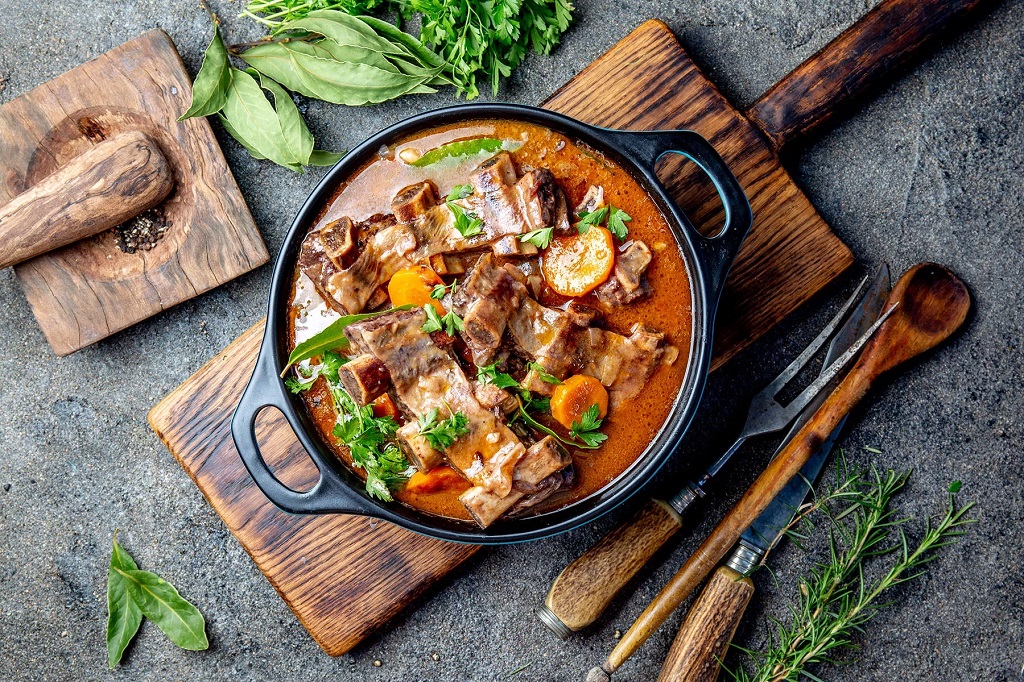
Rustic Charm: Provence and the South of France Sun-drenched Provence is known for its vibrant flavors. Think ratatouille, a vegetable stew, and salade Niçoise, a salad with tuna, olives, and hard-boiled eggs. The south of France boasts influences from Italy and Spain, with dishes like bouillabaisse (fish stew) and daube provençale (beef stew with vegetables).
-
A Touch of Spice: The Basque Country and Southwest France The Basque Country, bordering Spain, offers a unique blend of French and Spanish flavors. Sample pintxos (small skewered tapas) and piperade, a dish made with peppers, onions, and tomatoes. Southwest France is known for its rich cassoulet, a slow-cooked stew with meat, beans, and vegetables.
Beyond the Classics: A Foodie’s Guide to Regional Specialties
While France is famous for its iconic dishes, each region offers a treasure trove of local specialties waiting to be discovered:
- Lyon: Sample quenelles de brochet (pike dumplings) and saucisson brioché (sausage in brioche bread).
- Bordeaux: Enjoy lamprey à la bordelaise (eel in red wine sauce) and cannelés, small custard pastries with a caramelized crust.
- Dordogne Valley: Savor foie gras (fatty liver pâté) and truffles, a prized black fungus with an intense flavor.
- Loire Valley: Treat yourself to rillettes (potted meat) and tarte Tatin, an upside-down apple tart.
Planning Your Culinary Adventure: Tips for Foodie Travelers
To maximize your culinary experience in France, consider these tips:
- Explore Local Markets: Immerse yourself in the sights and smells of French food culture by visiting local markets. Sample fresh produce, cheeses, and regional specialties.
- Embrace Local Restaurants: Venture beyond tourist traps and seek out authentic local restaurants (bistros) for a more immersive dining experience.
- Don’t Be Afraid to Try New Things: France is a land of culinary exploration. Step outside your comfort zone and try new dishes and ingredients.
- Learn a Few French Phrases: Basic French phrases like “Bonjour” (hello) and “Merci” (thank you) go a long way in enhancing your dining experience.
- Book Restaurant Reservations: Popular restaurants, especially in tourist destinations, may require reservations. Plan your meals to avoid disappointment.

Beyond the Plate: Food and Culture: A Beautiful Union
French food is more than just sustenance; it’s an integral part of the culture. Here’s how to deepen your culinary experience:
- Take a Cooking Class: Learn the secrets of French cuisine by enrolling in a cooking class. This is a fantastic way to acquire new skills and gain insights into local ingredients and cooking techniques.
- Visit a Vineyard: Explore France’s renowned wine regions like Bordeaux, Burgundy, and the Loire Valley. Pair a winery tour with a tasting to understand how wine complements the local cuisine.
- Attend a Food Festival: Immerse yourself in the vibrant food scene by attending a local food festival. Sample
- Sample regional specialties, witness cooking demonstrations, and enjoy live music and entertainment.
- Learn About French Cuisine: Delve deeper into French food history and traditions by visiting museums dedicated to gastronomy or reading books by renowned French chefs.
Related: Six Exciting Things You Can Do While Traveling
Conclusion: A Culinary Adventure Awaits
France beckons with its diverse landscapes, rich history, and, of course, its incredible food. This culinary tour has hopefully whetted your appetite for a French adventure. Remember, the best way to experience French cuisine is to embrace the local culture, explore regional specialties, and savor the unique flavors each region has to offer. So, pack your bags, book your flight, and embark on a delicious journey through the culinary paradise that is France!
A Note for Experienced Foodies: This article provides a foundational overview of French regional cuisine. For seasoned gourmands, delve deeper by exploring specific sub-regions within each area. For example, explore the seafood specialties of Brittany’s Côte d’Armor or discover the rich culinary heritage of Provence’s Camargue region. France offers a lifetime of culinary exploration for the dedicated foodie.