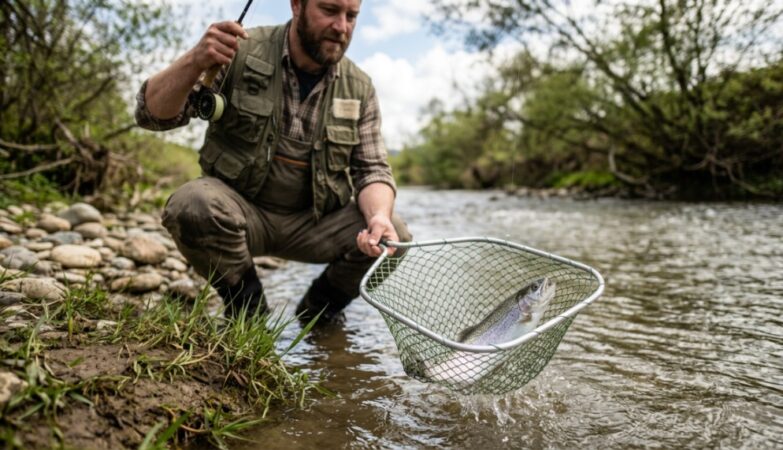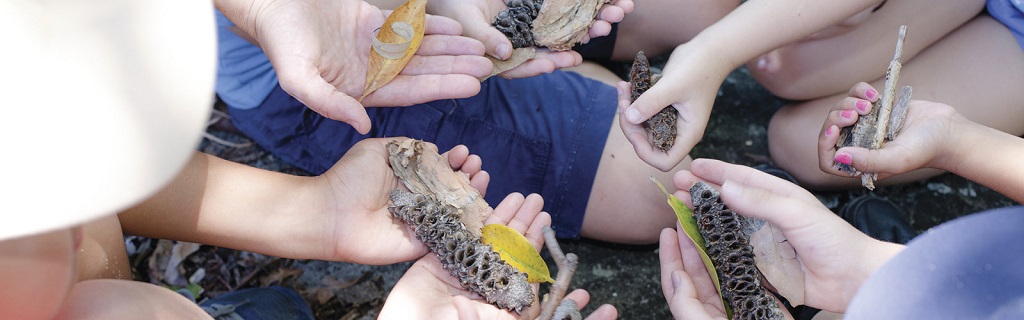
Have you ever dreamt of contributing to scientific research while enjoying the great outdoors or spending time with your favorite animals? Citizen science with critters makes this dream a reality! It transforms everyday people like you and me into citizen scientists, playing a crucial role in collecting valuable data that helps researchers understand and conserve wildlife populations and ecosystems.
What is Citizen Science?
Citizen science involves the public actively participating in scientific research. Traditionally conducted by scientists alone, research now often benefits from the collective power of citizen scientists. This allows for larger datasets to be collected over wider geographical areas, leading to more robust scientific findings.
Why Citizen Science with Critters?
Animals and ecosystems face an unprecedented array of threats, including habitat loss, climate change, and pollution. Monitoring these populations and understanding their health is crucial for developing effective conservation strategies. Citizen science projects focused on critters fill critical gaps in data collection, empowering researchers to:
-
Track Population Trends: Citizen scientists can monitor animal populations over time, helping researchers identify trends and potential threats. For example, counting birds during a birdwatching trip can contribute to data on bird migration patterns and population health.
-
Document Species Distribution: By recording sightings of specific animals in different locations, citizen scientists can help researchers map species distribution and identify areas of critical habitat. This information is vital for conservation planning efforts.
-
Monitor Environmental Health: Certain animals act as “indicator species,” meaning their health reflects the overall health of their environment. By monitoring these species, citizen scientists can indirectly assess the health of ecosystems. For instance, monitoring butterfly populations can provide insights into the health of meadows and grasslands.
Fun and Engaging Projects for Everyone
Citizen science with critters offers a wide range of projects suitable for all ages and interests:
-
Backyard Biodiversity Surveys: Transform your backyard into a citizen science hub! Observe and record the birds, insects, and other animals that visit your garden, contributing to data on urban wildlife populations.
-
Great Backyard Bird Count: Participate in this global citizen science event held annually. Spend a few hours counting birds in your backyard or local park and contribute to a massive dataset on bird migration patterns.
-
Butterfly Monitoring Programs: Join a butterfly monitoring program in your area. Learn to identify local butterfly species and track their populations, aiding in the conservation of these important pollinators.
-
Marine Mammal Spotting: Head to the coast and participate in marine mammal surveys. Report sightings of dolphins, whales, and other sea creatures, helping researchers track their movements and health.
-
Critter Camera Trapping: Set up camera traps in your backyard or local wildlife area. The captured images can reveal fascinating insights into nocturnal animals and elusive species that might be difficult to observe directly.
Getting Involved: Resources and Tips
Taking part in citizen science with critters is easier than you might think. Here’s how to get started:
-
Find a Project: Numerous online platforms and organizations connect citizen scientists with ongoing projects. Websites like SciStarter (https://www.citizenscience.gov/) and Zooniverse (https://www.zooniverse.org/) list a diverse array of projects you can explore.
-
Identify Your Skills and Interests: Choose a project that aligns with your interests and skill set. Do you love birds? Participate in a birdwatching survey. Are you passionate about butterflies? Join a butterfly monitoring program.
-
Gather Information: Once you’ve chosen a project, read the instructions and training materials provided. Understanding the data collection methods and species identification is crucial for your contribution to be valuable.
-
Download Apps and Resources: Many citizen science projects offer dedicated mobile apps to make data collection easy and convenient. Download the app and familiarize yourself with its features.
-
Become Part of a Community: Many projects have online forums where citizen scientists can interact, share experiences, and learn from each other. Participating in these forums fosters a sense of community and motivates you to continue contributing.

The Rewards of Citizen Science:
Citizen science is more than just collecting data; it’s about connecting with nature, learning about wildlife, and making a genuine difference. Here’s what you gain by participating:
-
Contribute to Science: Your data contributions play a vital role in advancing scientific research and conservation efforts. The knowledge gained helps protect animals and the environment.
-
Enhance Your Knowledge: Citizen science projects offer opportunities to learn about local wildlife, their habitats, and the threats they face. This knowledge empowers you to become a more responsible steward of the environment.
-
Connect with Nature: Citizen science projects often involve spending time outdoors, appreciating nature’s beauty, and observing animals in their natural habitat.
-
Enjoy a Fun Hobby: Many citizen science projects are engaging and enjoyable.
Related: Why is it called a Love Sofa?
Conclusion: Citizen Science with Critters – A Win-Win for All
Transform a nature walk or backyard exploration into a citizen science adventure, turning a hobby into a force for positive change. Citizen science fosters a sense of community and connection with fellow citizen scientists who share your passion for wildlife and the environment.
Citizen Science: Beyond the Data
While data collection is a core aspect of citizen science, it’s not the only way to participate. Many projects involve raising awareness about conservation issues, advocating for policy changes, or even participating in habitat restoration projects.
The Future of Citizen Science
Citizen science is rapidly evolving. Advancements in technology, such as mobile apps and artificial intelligence, are making data collection and analysis more efficient and accessible than ever before. The future of citizen science holds immense potential for continued collaboration between scientists and the public, leading to groundbreaking discoveries and effective conservation strategies for a healthier planet.
Citizen Science – A Call to Action
Whether you’re a seasoned naturalist or simply enjoy spending time outdoors, citizen science offers an opportunity to make a tangible difference. With a little curiosity and a willingness to learn, you can become a valuable contributor to scientific research and conservation efforts. So, grab your binoculars, lace up your hiking boots, and embark on a citizen science adventure! The critters, the environment, and the future of our planet will thank you.