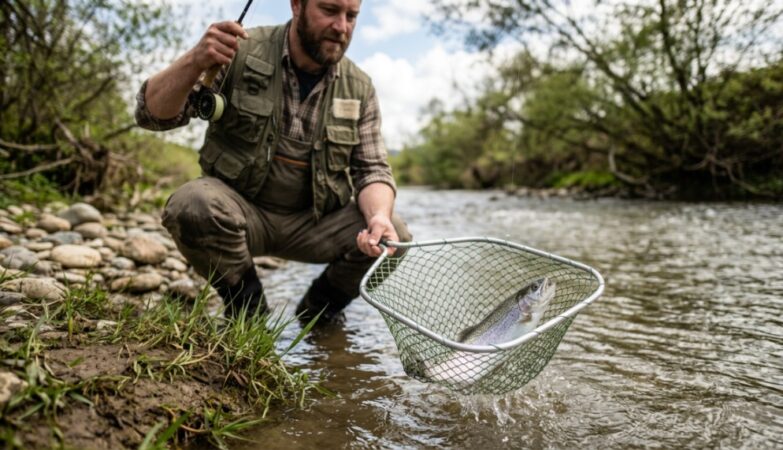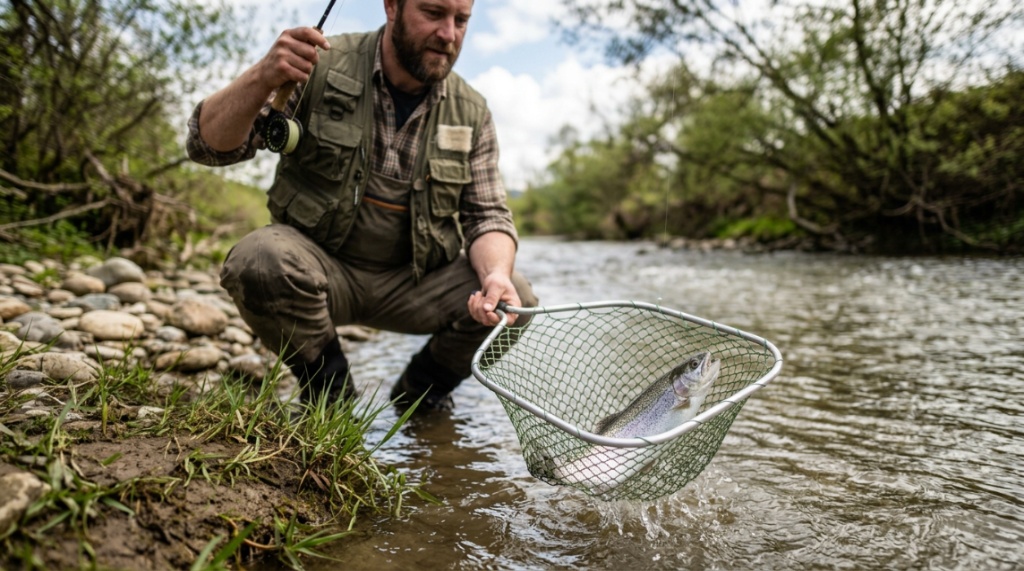
You know the frustration. You head to the local tackle shop, pick up a landing net, and feel your stomach drop when you see the price tag. A decent net can run you $60, $80, or even more. Meanwhile, the cheap $15 options at the big box store feel flimsy—like they’ll snap the first time you land a decent bass. You want a net that feels solid, glides through the water, and protects your catch, but you don’t want to break the bank. The good news? You don’t have to. Finding budget fishing nets premium in quality is absolutely possible if you know which materials to prioritize and where to look for value. This guide walks you through the exact steps to snag a high-performing net without paying a premium price.
What Defines a Premium Fishing Net Without the High Cost?
A premium fishing net is defined by three factors: durable frame construction, fish-safe netting material, and ergonomic handle design. You can hit all three marks without spending top dollar if you focus on the right specifications rather than the brand logo.
Frame Material That Balances Strength and Weight
The frame is the backbone of your net. Premium nets often use aluminum or high-grade composite materials. Aluminum is lightweight, won’t rust, and provides excellent rigidity. Many budget nets use plastic frames that break under pressure. Look for budget options with anodized aluminum frames. Even entry-level aluminum nets from lesser-known brands often outperform expensive plastic ones.
Net Mesh That Protects Your Catch
Premium nets use rubber or coated mesh to prevent fish from losing their protective slime. Budget nets often use nylon that shreds fish fins. A truly valuable budget net will feature a rubberized or “fish-friendly” mesh. This material costs pennies more to manufacture but makes a world of difference in fish survival and net longevity.
Handle Length and Grip Comfort
A premium feel comes from a handle that doesn’t wobble or slip. Look for a handle with a foam or rubberized grip. Handles should be telescoping or at least 36 inches long for bank fishing. Even lower-priced nets now offer telescoping aluminum handles that lock securely. Test the locking mechanism before buying if possible.
Why Do Cheap Fishing Nets Often Feel So Flimsy?
Cheap fishing nets feel flimsy because manufacturers cut costs on the hoop thickness, mesh density, and handle joint connectors. A net that twists in your hand or folds under pressure is a direct result of poor engineering decisions made to hit a low retail price.
The Hoop Weakness Problem
Most flimsy nets use thin, hollow plastic hoops. These hoops flex and can crack when you lift a heavy fish. Budget nets that feel premium use a solid or reinforced hoop. Even if the hoop is plastic, look for one with internal ribbing or a metal insert. This simple design upgrade adds negligible cost but triples the net’s strength.
Mesh That Tangles and Tears
Thin nylon mesh is cheap to produce but tangles easily with hooks and tears after a few trips. The mesh on budget nets is often too shallow, making it easy for fish to flip out. A deeper, knotless mesh made from coated material feels much more premium and costs only a few dollars more at wholesale.
Connectors That Fail First
The connection point between the hoop and the handle is the most common failure point on budget nets. Manufacturers save money by using a simple plastic screw or friction fit. Premium-feeling budget nets use a threaded metal collar or a push-button lock with a metal insert. Always inspect this joint before purchasing.

Which Materials Should You Look for in Affordable Nets?
For affordable nets that feel expensive, target aluminum frames, rubberized mesh, and foam handles. These three materials offer the best performance-to-cost ratio in the fishing gear market.
Aluminum vs. Fiberglass vs. Plastic Frames
Aluminum is the clear winner for budget premium nets. Fiberglass is stronger but heavier and more expensive. Plastic is cheap but breaks. Aluminum offers a middle ground: lightweight, corrosion-resistant, and affordable. Many budget nets now use 6061 aluminum, the same alloy found in high-end fishing rods, Carolina Rig vs Texas Rig Weedless Comparison for Heavy Cover.
Rubber Mesh vs. Nylon Mesh
Rubber mesh is the single best upgrade you can make to a budget net. It prevents hook tangles, doesn’t absorb water, and protects fish slime. Nylon mesh is cheaper but degrades in sunlight and snags hooks. A net with rubber mesh will feel premium from the moment you use it, regardless of the frame cost.
Handle Material and Grip Options
Foam handles are standard on premium nets. They provide cushioning and prevent slipping when wet. Budget nets often have bare aluminum or hard plastic handles. A simple foam or rubber grip sleeve costs manufacturers very little but dramatically improves the user experience. Look for nets with EVA foam or thermoplastic rubber grips.
How to Inspect a Budget Net for Hidden Quality
You can assess a net’s quality in under two minutes by checking the hoop rigidity, mesh depth, and handle lock mechanism. These quick tests reveal whether a net is truly premium or just looks that way.
The Hoop Flex Test
Hold the net by the hoop and apply gentle pressure. A quality hoop should resist bending. If it flexes more than half an inch with moderate pressure, it will likely fail under a heavy fish. Look for hoops that maintain their shape firmly.
The Mesh Depth Check
A premium-feeling net has a mesh depth of at least 18 inches for landing nets. Shallow mesh allows fish to flip out. Measure from the hoop to the bottom of the bag. Deeper mesh also indicates heavier-duty construction because manufacturers use more material per net.
The Locking Mechanism Test
If the net has a telescoping handle, extend it fully and try to push it back in. A quality lock will hold firm with no play. Wobble or movement means the lock will fail over time. Test the push-button or twist-lock mechanism thoroughly.
Where to Buy Budget Nets That Actually Perform
The best places to buy budget nets that perform are online specialty retailers, local fishing forums, and seasonal clearance sales at outdoor stores. Avoid generic big-box retailers if possible.
Online Specialty Retailers vs. Amazon
Online specialty retailers often curate their inventory and carry brands that prioritize function over flash. Amazon is convenient but flooded with generic imports. To cut through the noise, look for verified reviews that mention durability and specific fish species. A retailer that stands behind their product with a warranty is a good sign.
Local Tackle Shops and Clearance Bins
Local tackle shops occasionally clear out older models at deep discounts. These nets are often premium brands from previous years that are perfectly functional. Build a relationship with the shop owner and ask about overstock deals. You can often find a $70 net for $30 this way.
Seasonal Sales and End-of-Season Clearance
Late fall and early spring are prime times for net sales. Retailers clear out inventory to make room for new models. Sign up for newsletters from fishing gear retailers to get notified of these sales. Patience can save you 40-60% off retail prices.
For a curated selection of affordable nets that have been tested for quality, check out this list of budget fishing nets premium options that balance price and performance.
Can a Budget Net Handle Large Freshwater Fish?
Yes, a budget net can absolutely handle large freshwater fish like muskie, pike, or trophy bass if you choose one with a high hoop gauge and deep mesh. The key is matching the net size to your target species.
Matching Net Size to Target Species
For panfish and small bass, a 14-inch hoop net is sufficient. For walleye and medium bass, go with a 16 to 18-inch hoop. For pike or muskie, you need a 20-inch or larger hoop with a deep bag. Budget nets in larger sizes exist but require more careful inspection for frame strength.
Weight Capacity Considerations
Most budget nets list a weight capacity. Ignore marketing numbers and look at the frame thickness. A 10mm or thicker aluminum hoop can handle 30+ pound fish. Thinner hoops may fail. If you plan to target large fish, invest in the thickest hoop you can find, even if the rest of the net is basic.
Testing Your Net Before a Big Trip
Never take a new budget net on a trophy trip without testing it first. Fill a bathtub or large bucket with water and simulate lifting a heavy weight. Place a 10-pound dumbbell in the mesh and lift. If the net strains, it will fail on a live fish. This simple test costs nothing but saves your trip.
How to Maintain a Budget Net So It Lasts Like a Premium One
Proper maintenance can extend the life of a budget net by years. Rinse after every use, dry thoroughly, and store it away from direct sunlight. A cheap net maintained well beats an expensive net that’s abused.
Rinsing Protocol After Saltwater or Muddy Water
Saltwater and muddy water are corrosive to aluminum frames and netting. Rinse your net with fresh water immediately after each trip. Use a hose with a spray nozzle to get into the hinge and locking mechanism. This simple step prevents salt crystallization and mud buildup.
Drying and Storage Best Practices
Never store a wet net in a rod locker or garage. Moisture breeds mold and degrades rubber mesh. Hang the net to dry in a well-ventilated area. Store it in a cool, dry place away from UV rays. Sunlight will break down rubber mesh and fade aluminum finishes over time.
Repairing Small Issues Before They Become Big Problems
Watch for small tears in the mesh or loose screws in the handle. Repair a mesh tear immediately with fishing line or a zip tie. Tighten any loose screws with a simple screwdriver. Addressing these small issues right away prevents a total net failure during a fishing trip.
What Features Can You Sacrifice to Keep Costs Low?
You can sacrifice brand prestige, carrying bags, and complex folding mechanisms without losing premium feel. Focus your budget on the frame and mesh; everything else is optional.
Sacrifice: Brand Name and Packaging
Brand names add 20-50% to the cost of a net. The manufacturing process is often identical between branded and unbranded nets made in the same factory. Skip the logo and buy based on specifications. Packaging also adds cost. A net sold in a simple plastic sleeve is a better value than one in a fancy box.
Sacrifice: Carrying Bags and Accessories
A carrying bag is convenient but not essential. Use an old backpack or a mesh laundry bag for transport. Magnets, measuring tapes, and clip-on accessories are nice but add cost. Invest that money in a better hoop or deeper mesh instead.
Sacrifice: Complex Folding or Collapsing Mechanisms
Folding nets are convenient but add cost and potential failure points. A simple one-piece or telescoping net is more durable and less expensive. The fewer moving parts, the longer the net will last. Choose simplicity for budget builds.
Which Net Types Offer the Best Premium Feel on a Budget?
Rubber landing nets and telescoping trout nets offer the best premium feel for the lowest cost. These designs are simple to manufacture and widely available at competitive prices.
Rubber Landing Nets for Bass and Panfish
Rubber landing nets are the best value in the budget market. They are hook-friendly, gentle on fish, and durable. Many budget rubber nets use identical mesh to high-end brands. The difference is often just the handle length or brand label. A basic rubber net with a 16-inch hoop and a foam handle is a premium experience for under $30.
Telescoping Nets for Bank Fishing
Telescoping nets are excellent for bank anglers who need reach. Budget telescoping nets often use aluminum handles and rubber mesh. The locking mechanism is the main concern, but many budget models now use reliable twist-lock systems. These nets extend to 6 feet or more, giving you premium reach without a premium price.
Foldable Travel Nets for Kayak and Hiking
Foldable nets are the hardest to find at budget prices because the folding mechanism adds complexity. If you need a compact net, look for a simple two-piece design that screws together. Avoid complex hinge systems in budget models. A two-piece net is nearly as compact as a folding net and far more reliable.
Frequently Asked Questions
How much should I spend on a budget fishing net that feels premium?
You should expect to spend between $25 and $45 for a net that offers true premium feel. This price range nets you an aluminum frame, rubber mesh, and ergonomic handles without paying for brand markup.
Is rubber mesh really better than nylon mesh for budget nets?
Yes. Rubber mesh is far better for budget nets because it doesn’t tangle hooks, protects fish slime, and lasts longer than nylon. The cost difference is minimal, but the performance improvement is dramatic.
Can I use a budget net for saltwater fishing?
Yes, but you must rinse the net with fresh water after every saltwater trip. Salt is highly corrosive, especially to aluminum frames and locking mechanisms. Look for nets with stainless steel hardware for best results.
What size net do I need for bass fishing?
For general bass fishing, a 16 to 18-inch hoop with a deep mesh bag is ideal. This size handles most bass under 8 pounds easily. For trophy bass over 8 pounds, step up to a 20-inch hoop.
How do I know if a budget net will break?
Perform the hoop flex test. Apply moderate pressure to the hoop. If it bends more than half an inch, it will likely break under a heavy fish. Also check the handle joint for wobble. A solid net feels rigid.
Are telescoping nets less durable than fixed-handle nets?
Telescoping nets are slightly less durable than fixed-handle nets because of the locking mechanism. However, many budget telescoping nets are well-made and reliable. Choose one with a metal lock rather than plastic for better longevity.
Where can I find affordable fishing nets in Georgia?
You can find affordable nets at local tackle shops, seasonal sporting goods sales, and online specialty retailers. For a curated list of tested options, refer to the earlier linked resource on affordable nets.
Summary
Finding a budget fishing net that feels premium comes down to prioritizing frame material, mesh type, and handle ergonomics while ignoring brand names and unnecessary accessories. Look for aluminum frames, rubber mesh, and foam grips. Test the hoop rigidity and locking mechanism before buying, and maintain your net properly to extend its life. With the right knowledge, you can land a net that costs under $40 but performs like a $100 model.