Stress has become a constant companion for millions of people worldwide. According to the American Psychological Association, 77% of Americans regularly experience physical symptoms caused by stress. Learning how to perform a scalp spa massage for stress relief is one of the most accessible and effective self-care techniques you can adopt today. This ancient practice stimulates blood circulation, releases muscle tension, and activates the body’s natural relaxation response. Whether you are a beginner or simply looking to refine your technique, this guide walks you through every step with clarity and confidence. We suggest visiting the laser hair removal in midtown Manhattan.
What Is a Scalp Spa Massage and Why Does It Relieve Stress?
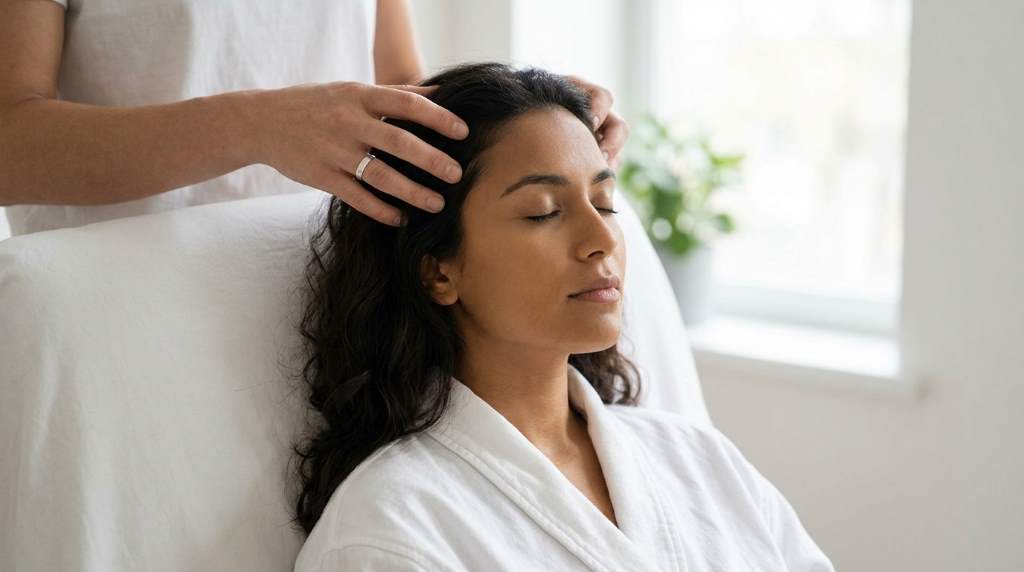
A scalp spa massage is a therapeutic technique that applies gentle pressure and rhythmic movements to the scalp, temples, and neck area. It works directly on the nerve endings and pressure points concentrated across the head. Research published in scientific wellness journals confirms that regular scalp massage can lower cortisol levels by up to 34%. The practice also promotes the release of serotonin and dopamine, two brain chemicals that naturally elevate mood. Understanding this foundation helps you approach the technique with purpose and intention.

The scalp contains hundreds of tiny nerve endings that connect directly to the central nervous system. Stimulating these points sends calming signals throughout the body almost immediately. Moreover, tension in the scalp muscles often radiates down to the shoulders and neck, creating chronic discomfort. A focused massage session breaks this cycle efficiently. Even a short 10-minute session can produce noticeable stress relief effects. Visit the best anti aging facial in midtown Manhattan to get the best care for anti aging.
Essential Tools and Oils You Need Before You Begin
Gathering the right tools before you start makes the entire experience more effective and enjoyable. You will need a scalp massager tool or simply your fingertips for a manual approach. Choosing a high-quality carrier oil such as coconut, jojoba, or sweet almond oil adds deep nourishment to the process. Essential oils like lavender, peppermint, or rosemary enhance relaxation and improve scalp health simultaneously. Having a warm towel nearby also helps you create a true spa-like environment at home.
Selecting the right oil matters more than most people realize. Lavender essential oil is widely recognized for its calming properties and works beautifully for stress-focused sessions. Peppermint oil improves circulation and creates a cool, tingling sensation that refreshes tired scalp muscles. You can also blend two or three drops of essential oil into one tablespoon of your chosen carrier oil for a balanced mix. Always do a patch test before applying any oil directly to the scalp.
A handheld scalp massager can reach areas that fingers sometimes miss, particularly along the crown and back of the head. However, your fingertips remain the most intuitive and responsive tools for this work. Using clean hands ensures hygiene and prevents product buildup on the scalp. Warm your oil slightly by rubbing it between your palms before application. This small step enhances absorption and makes the experience far more comfortable.
How to Perform a Scalp Spa Massage for Stress Relief Step by Step
Now that your tools are ready, it is time to walk through the core technique. Learning how to perform a scalp spa massage for stress relief properly ensures you get maximum benefit from every session. Follow each step in order and move at a slow, deliberate pace throughout the process. Consistency and mindfulness during the massage amplify its therapeutic effects significantly. You do not need professional training to do this effectively at home.
Step 1: Create a Calm Environment
- Dim the lights or use soft lighting to set a relaxing mood.
- Play soft instrumental music or nature sounds in the background.
- Sit in a comfortable chair or lie down with your neck supported.
- Silence your phone and remove distractions from the room.
Step 2: Apply the Oil
- Part your hair into sections to expose the scalp.
- Apply 4 to 6 drops of your chosen oil blend to the fingertips.
- Distribute the oil evenly across the scalp using light tapping motions.
- Allow the oil to sit for one full minute before beginning massage movements.
Step 3: Begin the Base Massage
Start at the base of your skull using both thumbs. Apply firm but gentle circular pressure and hold each point for 5 seconds before moving upward. Work your way slowly toward the crown using small, deliberate circles. This upward movement follows the natural direction of blood flow toward the brain. Continue this motion for at least three minutes before transitioning to the temples.
Step 4: Massage the Temples and Forehead
Place the pads of your middle and index fingers on both temples simultaneously. Use slow, outward circular motions with moderate pressure for two to three minutes. Move your fingertips slightly upward to the hairline and continue the same circular technique. Then glide your fingers across the forehead using gentle horizontal strokes from the center outward. This area holds a surprising amount of tension that most people never consciously address.
Step 5: Focus on the Crown
The crown area sits at the very top of the head and connects to multiple pressure points linked to clarity and calm. Press your fingertips firmly but comfortably into the crown and make slow, wide circles. Alternate between light fingertip pressure and broader palm compressions for variety. Spend at least two minutes here to fully release built-up tension. Many people report an immediate wave of relaxation when this area receives focused attention.
Step 6: Finish with the Neck and Ears
- Use your thumbs to knead the muscles at the base of the skull.
- Apply gentle pinching motions along the outer edge of each ear.
- Glide your fingertips down the sides of the neck toward the shoulders.
- Take three slow, deep breaths as you complete this final step.
How Often Should You Do a Scalp Spa Massage for Best Results?
Frequency plays a key role in the long-term benefits of scalp massage for stress relief. Most wellness experts recommend performing this ritual two to three times per week for consistent results. Daily sessions of 10 minutes also work well for people managing high stress levels regularly. Over time, the practice trains the nervous system to relax more quickly in response to the massage. You will likely notice improved sleep quality and reduced tension headaches within the first two weeks.
Listening to your body helps you find the right schedule. Some people prefer morning sessions to start the day with clarity and calm. Others find that an evening massage before bed deepens sleep quality significantly. Combining the massage with other relaxation practices like deep breathing or meditation multiplies the overall effect. Think of it as an investment that pays back in energy, focus, and emotional resilience.
Common Mistakes to Avoid During a Scalp Massage
Avoiding these pitfalls ensures your sessions remain safe, effective, and enjoyable every time.
- Using too much pressure: Aggressive pressure can irritate the scalp and cause soreness. Always begin gently and increase pressure gradually only if it feels comfortable.
- Skipping the oil: Dry massage without lubrication can cause friction and hair breakage over time. Always apply a light layer of oil before beginning.
- Rushing through the steps: Moving too quickly prevents the nervous system from entering a relaxed state. Slow, mindful movements deliver far better stress relief results.
- Neglecting the neck and temples: Many people focus only on the top of the head and miss key tension zones. A complete session always includes the temples, forehead, and neck.
- Inconsistent practice: Doing one session and expecting permanent results leads to disappointment. Regular practice is what builds lasting stress resilience over time.
Conclusion
Learning how to perform a scalp spa massage for stress relief is one of the most rewarding skills you can develop for your personal wellness routine. This practice costs very little, requires no special equipment, and delivers real, measurable benefits for both mind and body. With the right technique, the proper oils, and a consistent schedule, you can transform a simple scalp massage into a powerful daily ritual. Start with just two sessions this week and pay attention to how your body responds. Your nervous system will thank you for every mindful minute you invest in this practice.
Ready to begin your stress relief journey? Try your first scalp spa massage tonight and share your experience with someone who needs it just as much as you do. Finally, we recommended the best facials in midtown Manhattan and the best manicure in midtown Manhattan to know more details.